Nano Banana 2.1Half the price of Nano Banana 2. Is it better too?
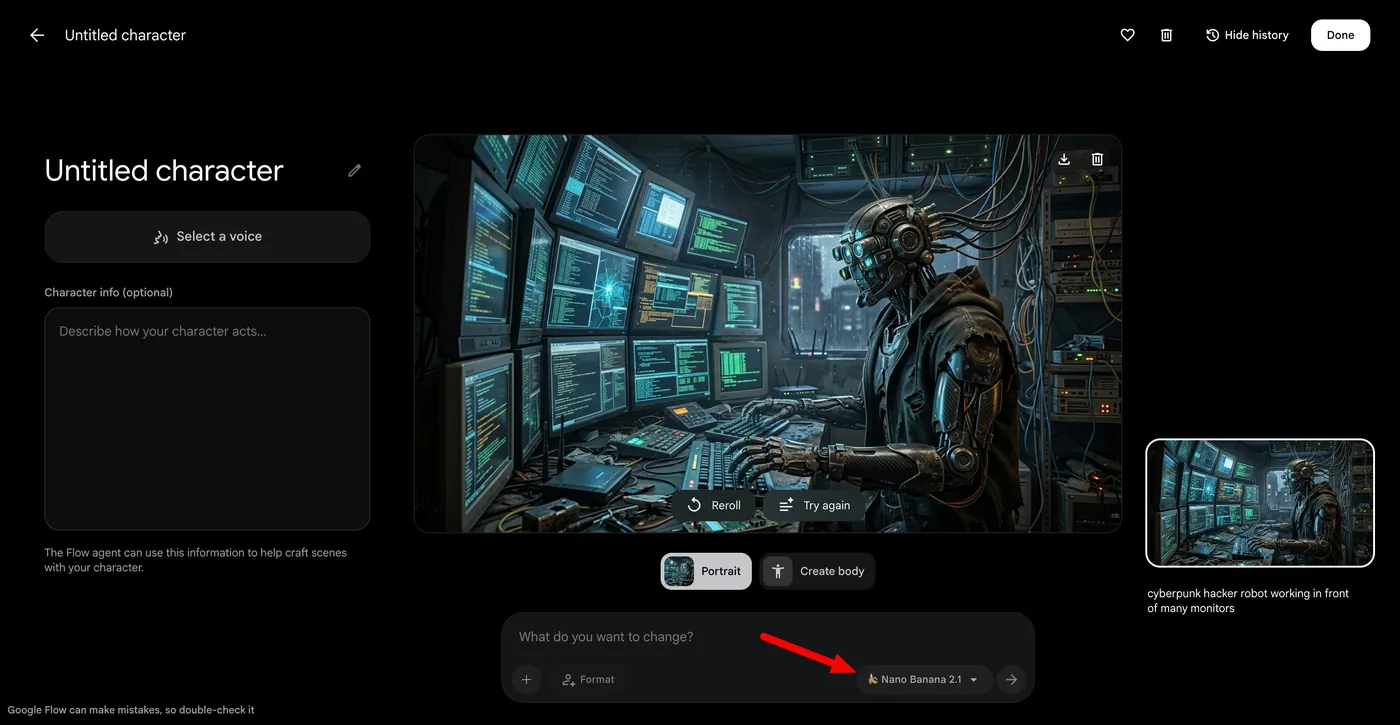
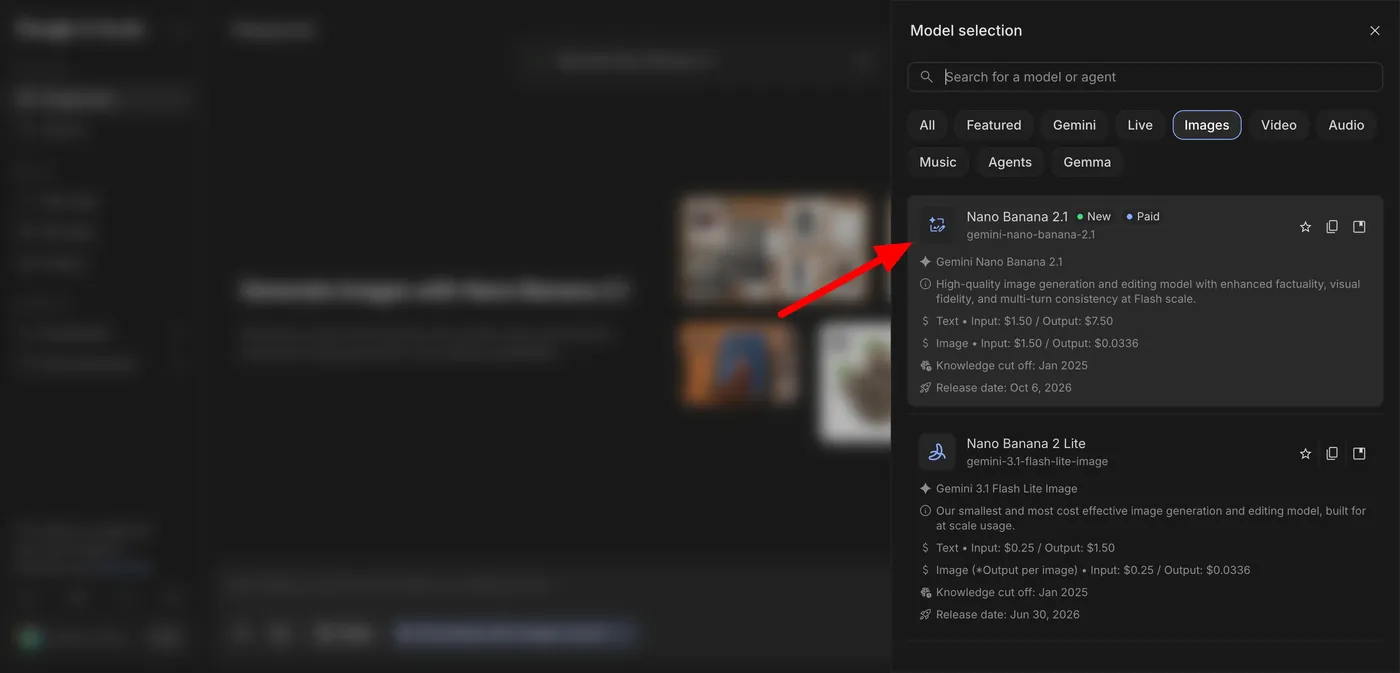
Monday night, just after eleven in Amsterdam, a new name showed up in the Google Flow model picker and vanished again. Tuesday at six it was official. Nano Banana 2.1, Google's new image model, went live in the Gemini API, AI Studio, the Gemini app and Flow. Google says it beats its earlier models across the board. The price says something too. A 1K image costs $0.034, exactly half of Nano Banana 2.
Half price is only a deal if the images hold up. So we put the same prompts through 2.1, Nano Banana 2 and Nano Banana Pro on launch day. Four prompts, five edits in a row, a mask test and one face in three scenes. 37 images in total, $2.78 in API costs, every result below as it came out.
Same prompt. Tap a model to compare.
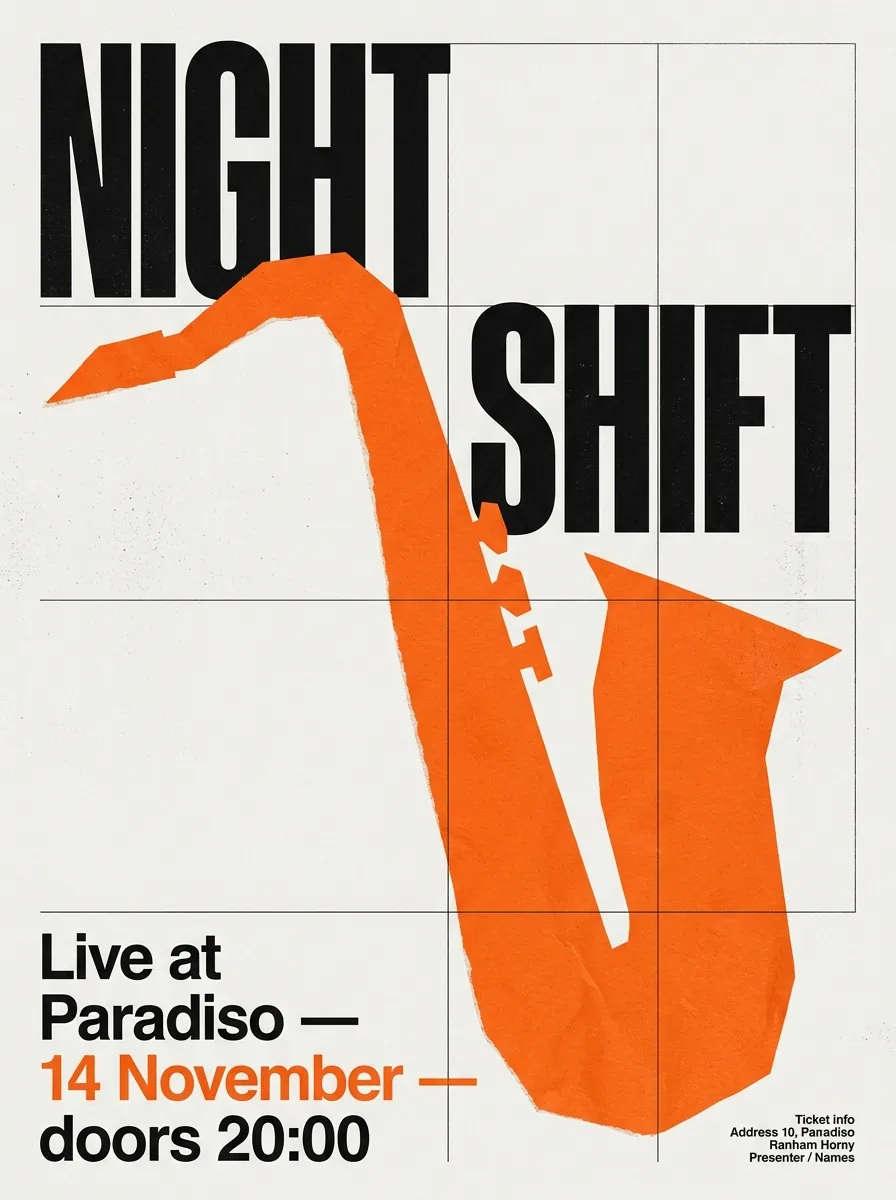
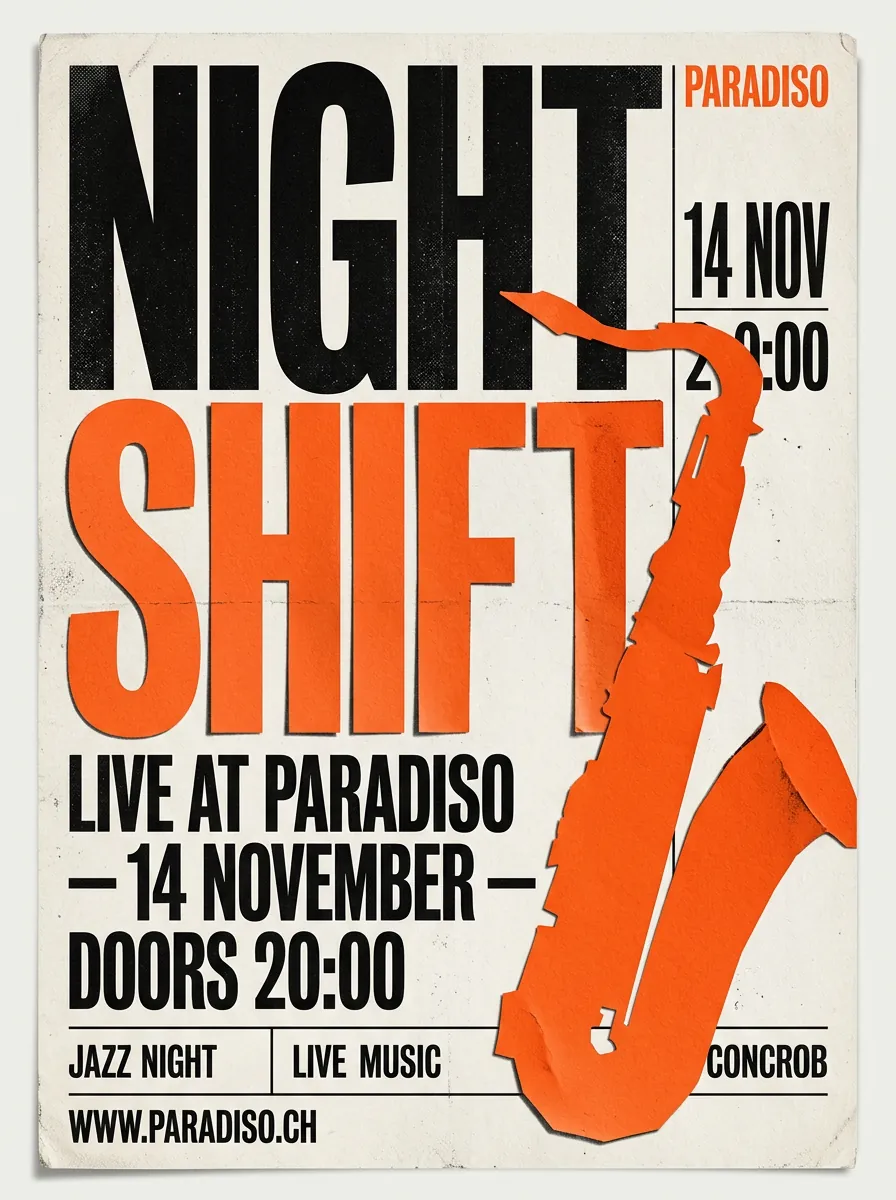
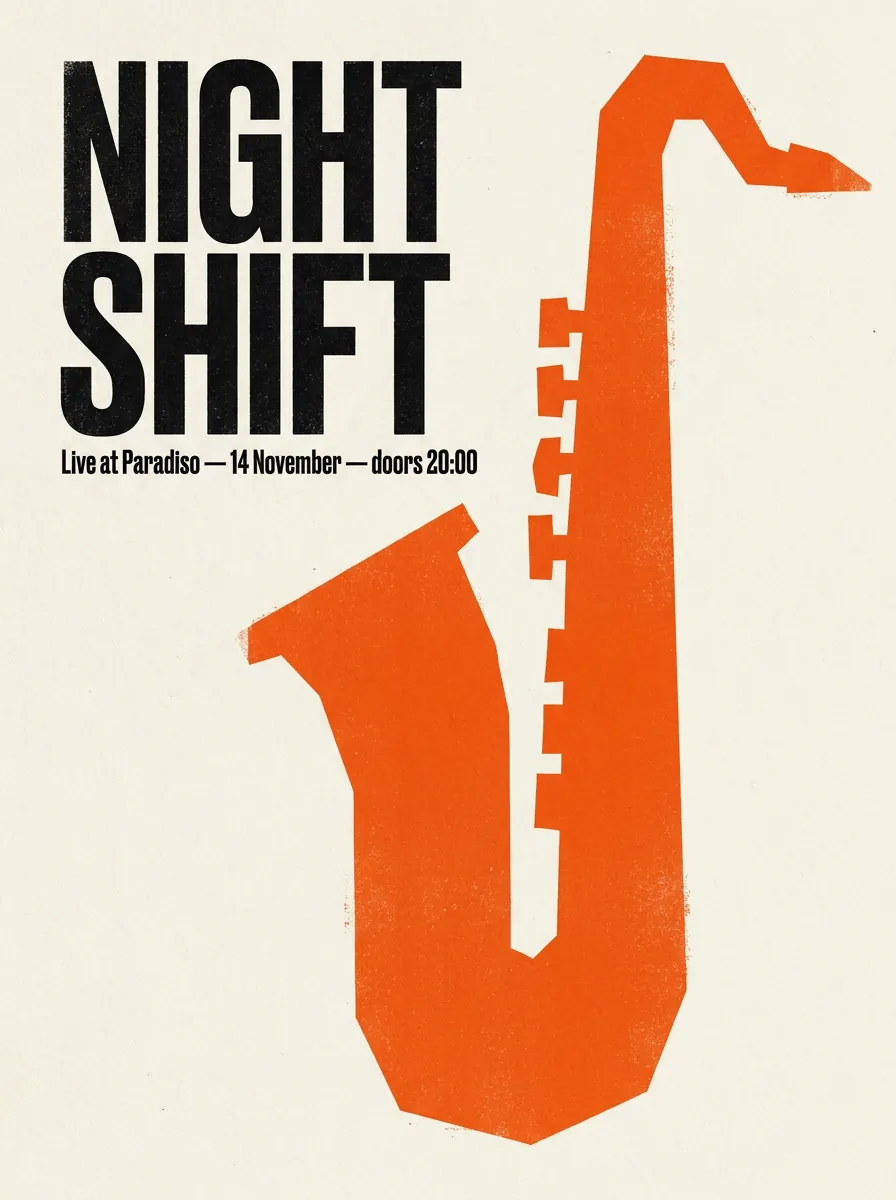
Same prompt, one attempt each, 1K. 2.1 is the only one that drew the asymmetric grid we asked for.
Price per 1K image
$0.0336 (NB 2: $0.067)
Model ID
gemini-nano-banana-2.1
Nano Banana 2 in the API
Deprecated, no shutdown date yet
On UlazAI
Yes, from 4 credits an image
Cheaper per image, pricier per prompt
Google's price page lists image output for 2.1 at $30 per million tokens. A 1K image uses 1,120 tokens, so $0.0336. That is half of Nano Banana 2 at every size, and exactly what Nano Banana 2 Lite costs at 1K. Pro stays at $0.134 for 1K and 2K.
The catch is on the input side. Input went from $0.50 to $1.50 per million tokens, text output from $3 to $7.50. For a short prompt that is a rounding error. With a pile of reference images in an edit it starts to count. In our runs an edit with one source image cost $0.038 on average, a fresh image $0.036. There is no free tier either. Our free API key got a quota of zero for this model.
List prices: Gemini API, standard paid tier, checked 6 October 2026. Our cost per call is the average over all our 1K test calls via OpenRouter (new images and edits), input included.
Deprecated
Nano Banana 2 is on its way out of the Gemini API
Nano Banana 2 is on its way out, without a date
The same changelog entry that launched 2.1 marked Nano Banana 2 as deprecated, and Google names 2.1 as the replacement. Update 7 October: on launch day that entry said gemini-3.1-flash-image would shut down on 29 October 2026. A day later Google changed it to "no shutdown date announced". Pro and 2 Lite are not deprecated.
Deprecated means the end is coming, only the date is open. The first outside verdict did arrive on launch day. On the Arena leaderboard as we read it at 20:06 on 6 October, voters put 2.1 fifth for text-to-image (rating 1328) and sixth for image editing (1428). That is above Nano Banana Pro (1248 and 1390) and Nano Banana 2 (1261 and 1387). OpenAI's GPT Image 2.5 Sunburst still leads both boards, at 1425 and 1524.
Arena rating, 6 October 2026 Text-to-image Image edit
GPT Image 2.5 Sunburst14251524
Nano Banana 2.113281428
Nano Banana 212611387
Nano Banana Pro12481390
Arena measures which single result people prefer when they see two side by side. It does not measure what happens to the rest of your image after five rounds of edits, or whether a model invents a label you did not ask for. That is what the tests below look at.
Four prompts, three models, one shot each
Same prompt, same aspect ratio, 1K, one attempt per model, no rerolls. Every prompt from this test, with the input images, is at the bottom of this page.
01
The poster: 2.1 follows the brief, NB 2 makes things up
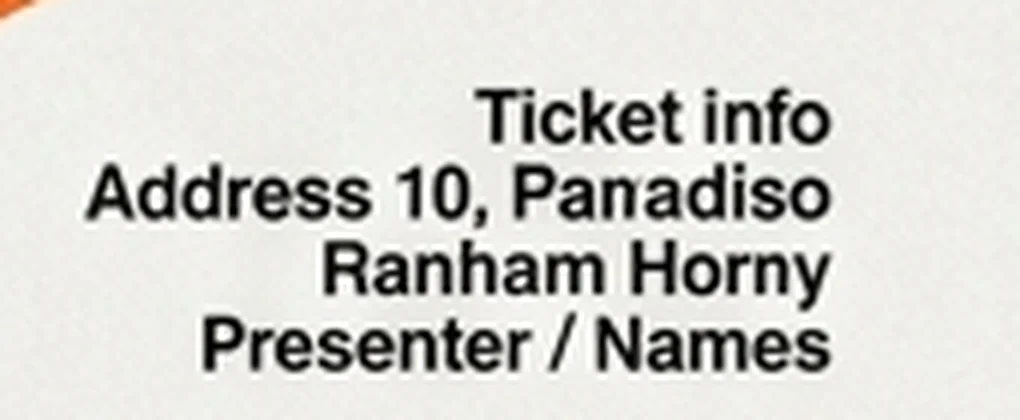
We asked for an asymmetric grid. Only 2.1 drew one, thin lines and all. All three got NIGHT SHIFT and the date right. Nano Banana 2 broke the door time into "2_:00", invented a band called CONCROB and printed paradiso.ch, while Paradiso is in Amsterdam. 2.1 has its own small lie: the fine print in the bottom corner reads "Ranham Horny". Google's own model card names blurry small text at 1K as a known weakness. Zoom in before anything goes to print.
Bottom corner of the 2.1 poster, zoomed in six times. "Panadiso" and "Ranham Horny" are filler text the model made up.
02
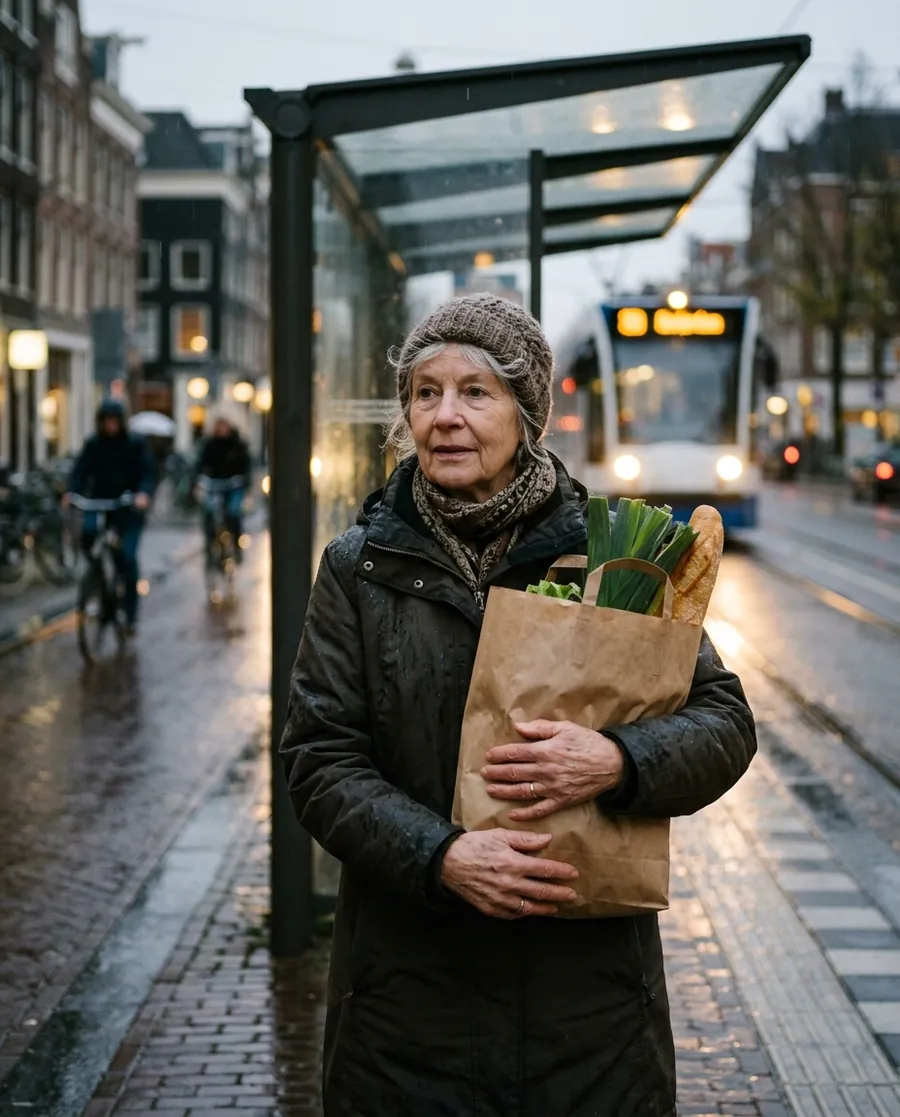
A tram stop at dusk
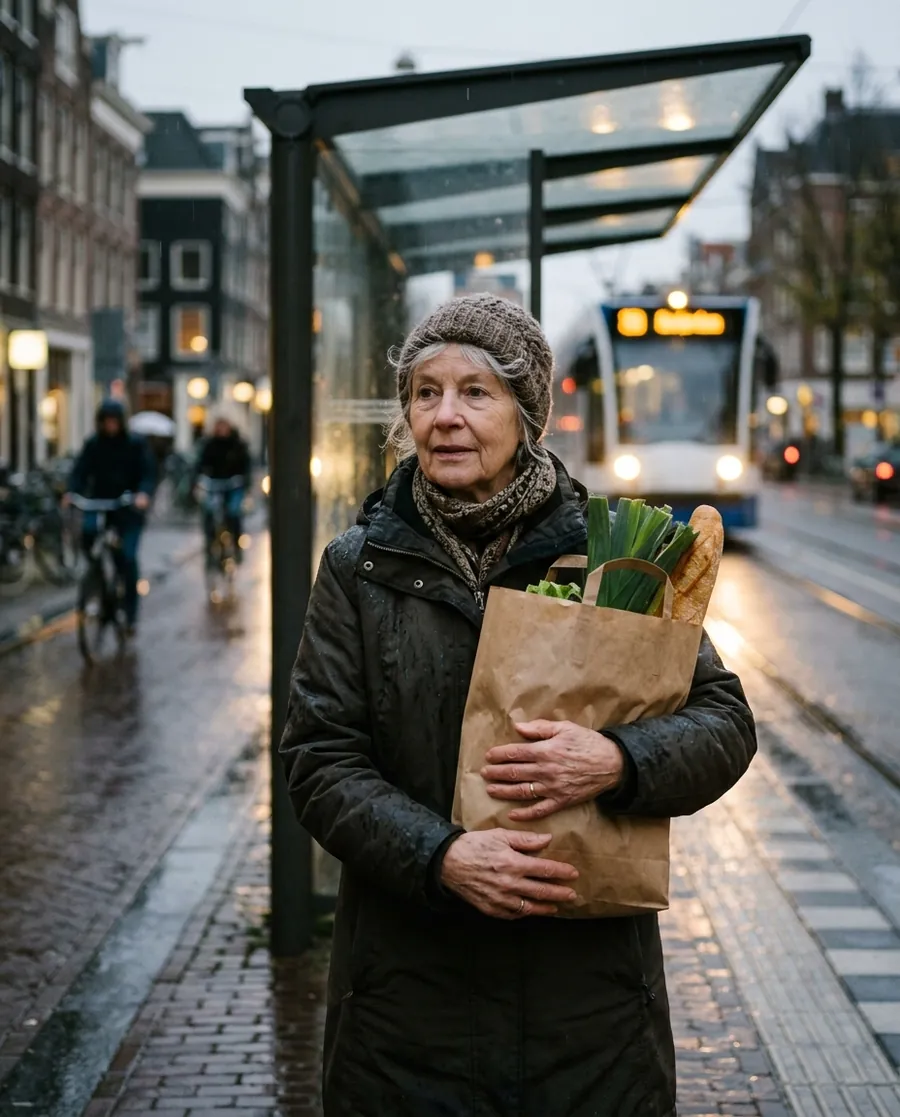
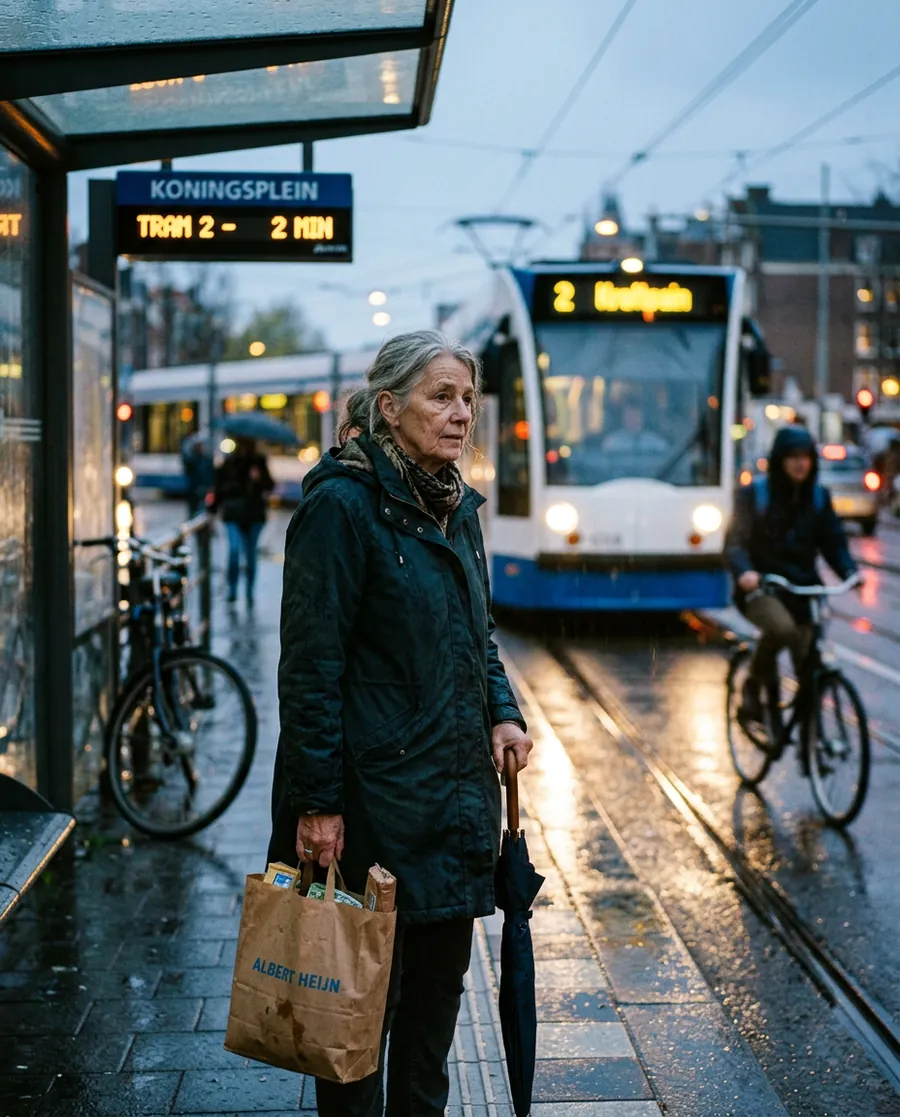
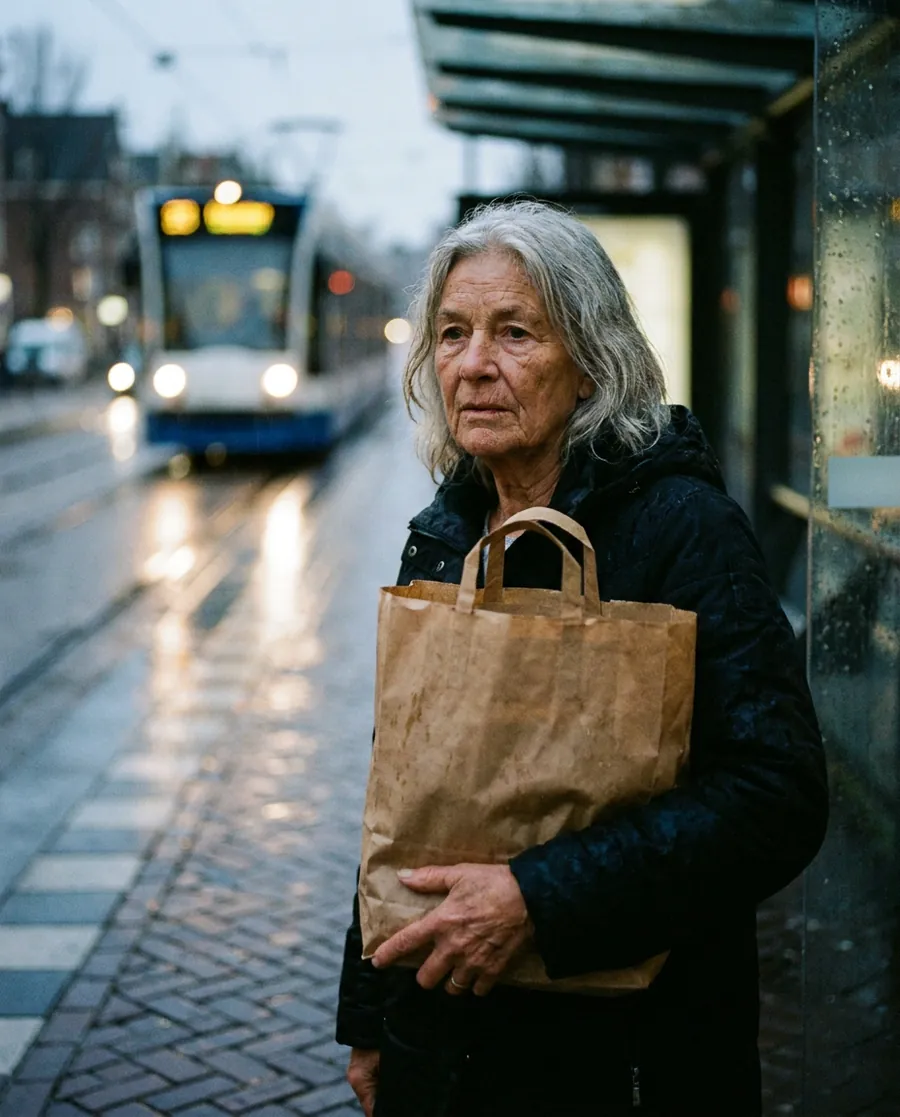
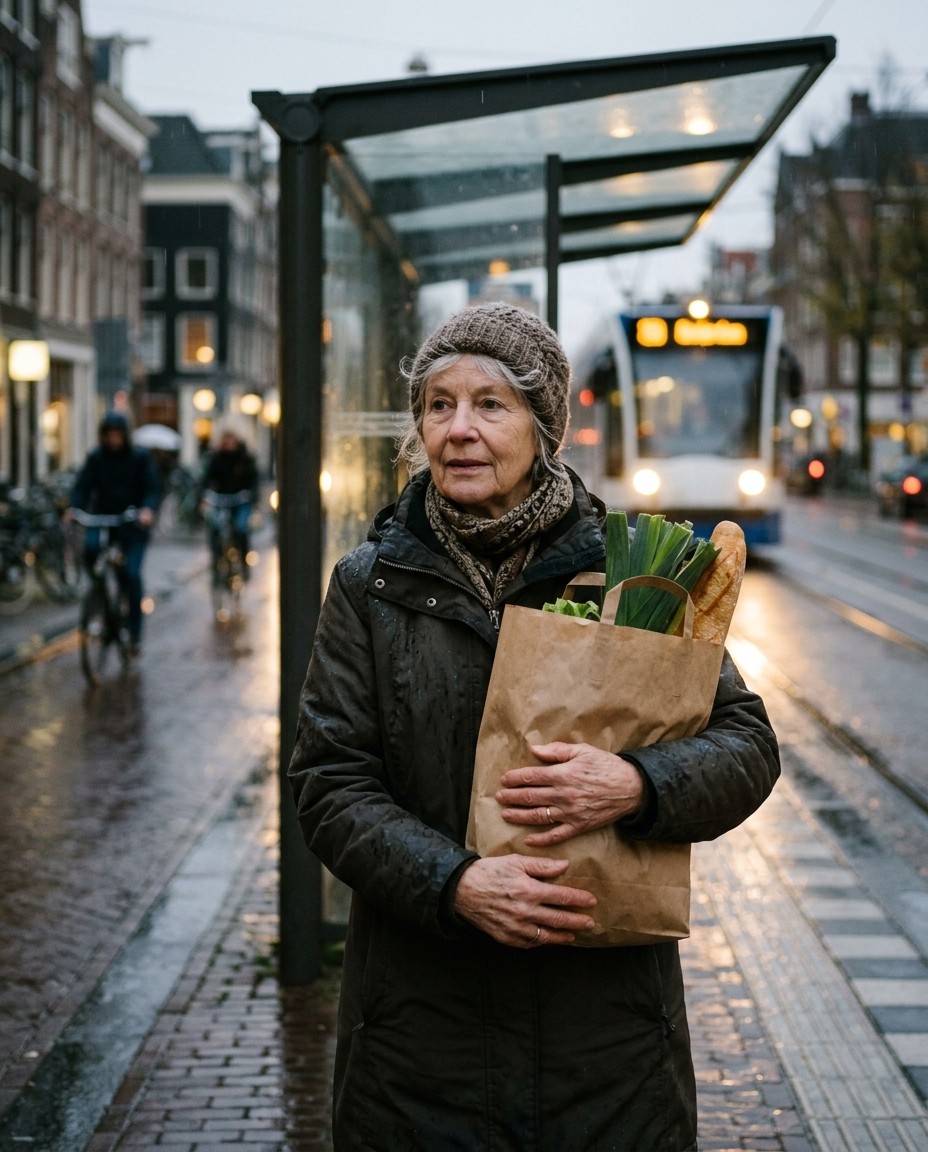
Nano Banana 2 printed ALBERT HELIN on the bag, a near miss on Albert Heijn, plus a Koningsplein sign above the stop. 2.1 kept the bag plain and filled it with leeks and a baguette. Pro went closer and more cinematic. The 2.1 version looks most like a photo someone took on the way home.
Same prompt. Tap a model to compare.
NB 2 put a misspelled supermarket logo on the bag. Nobody asked for a logo.
03
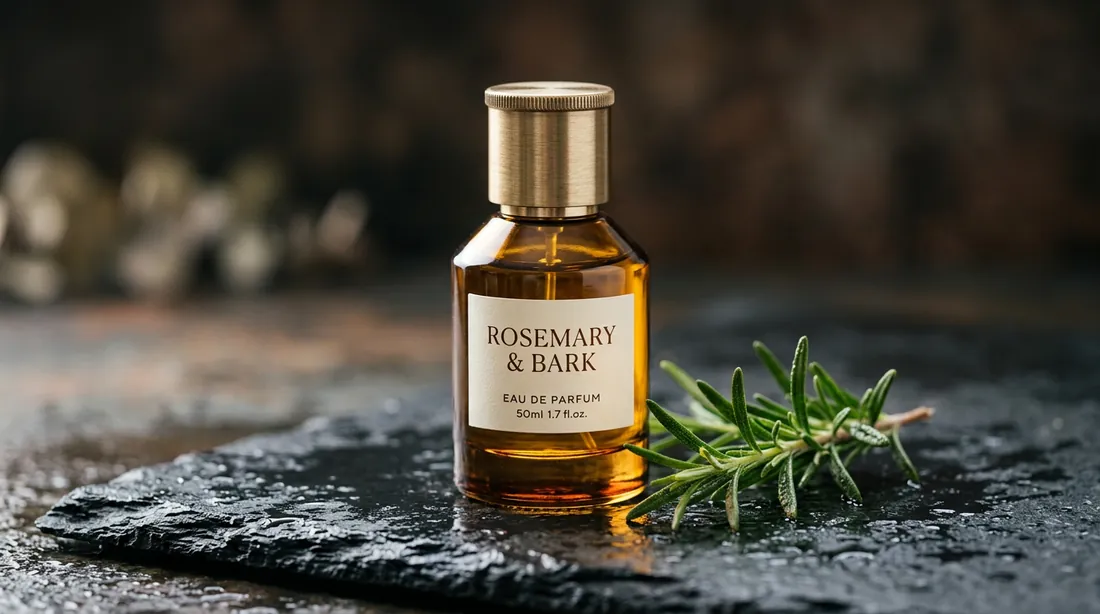
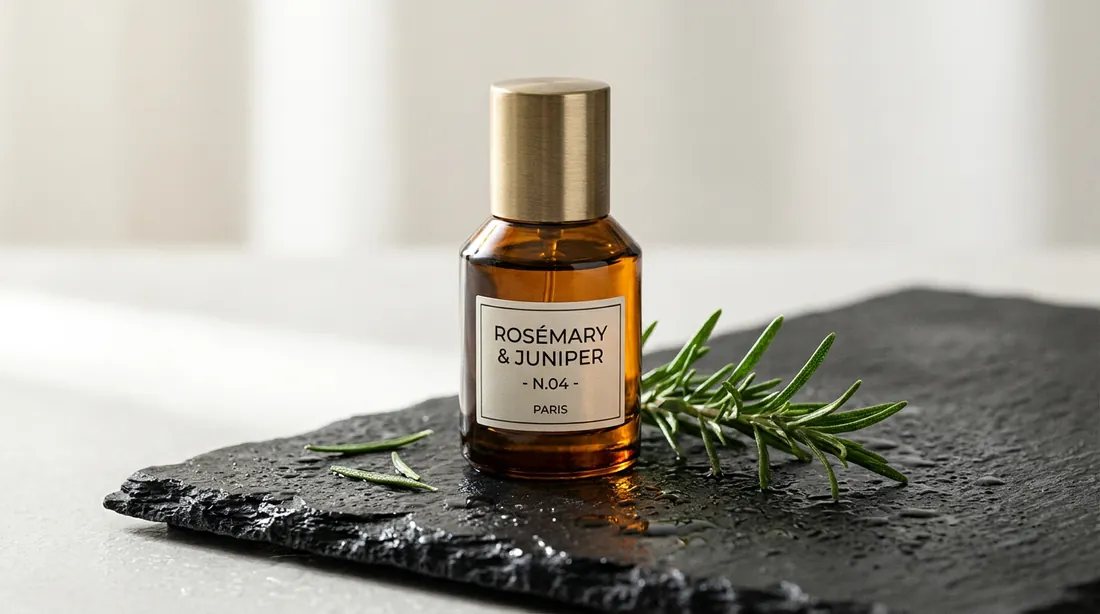
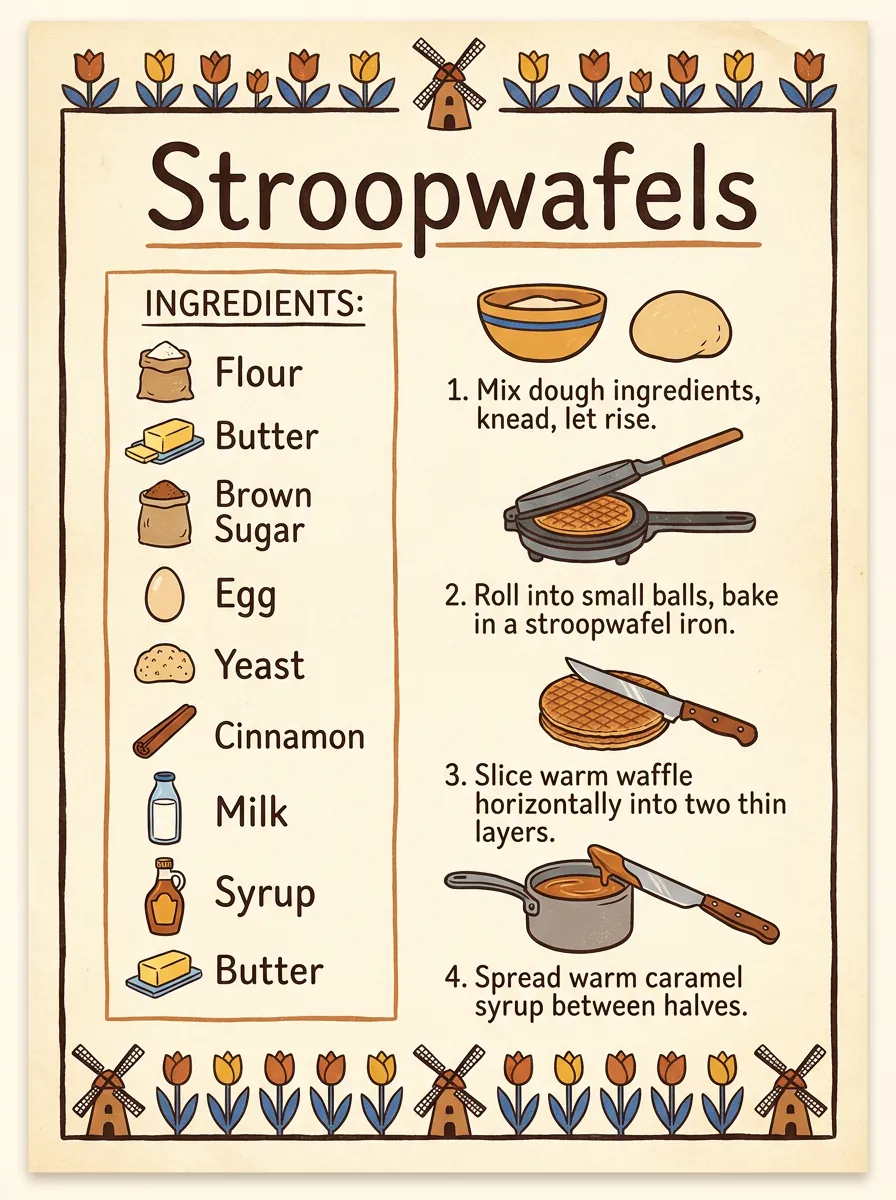
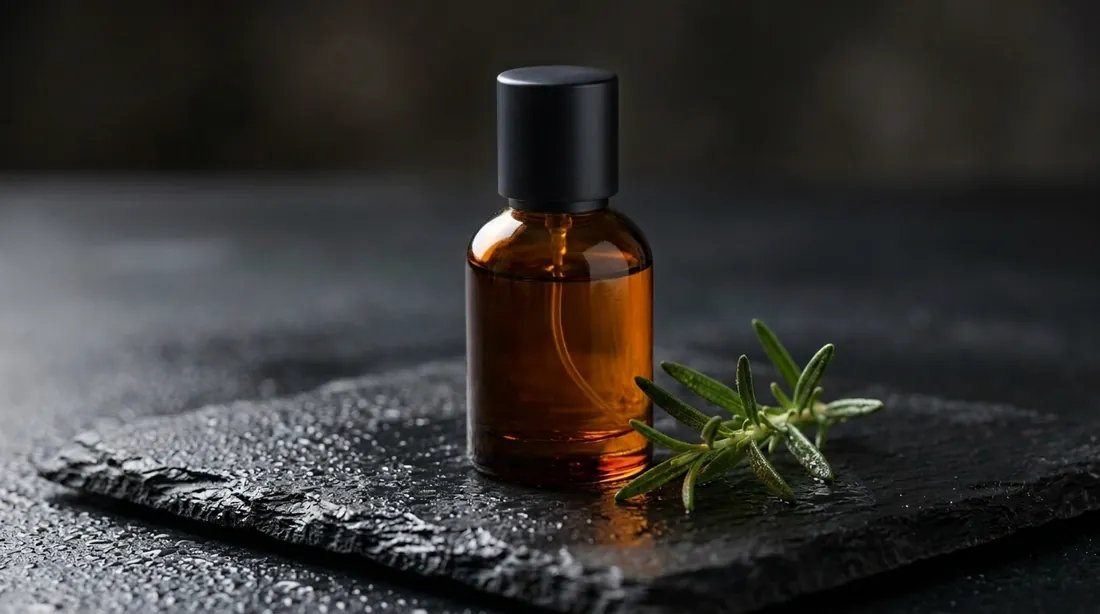
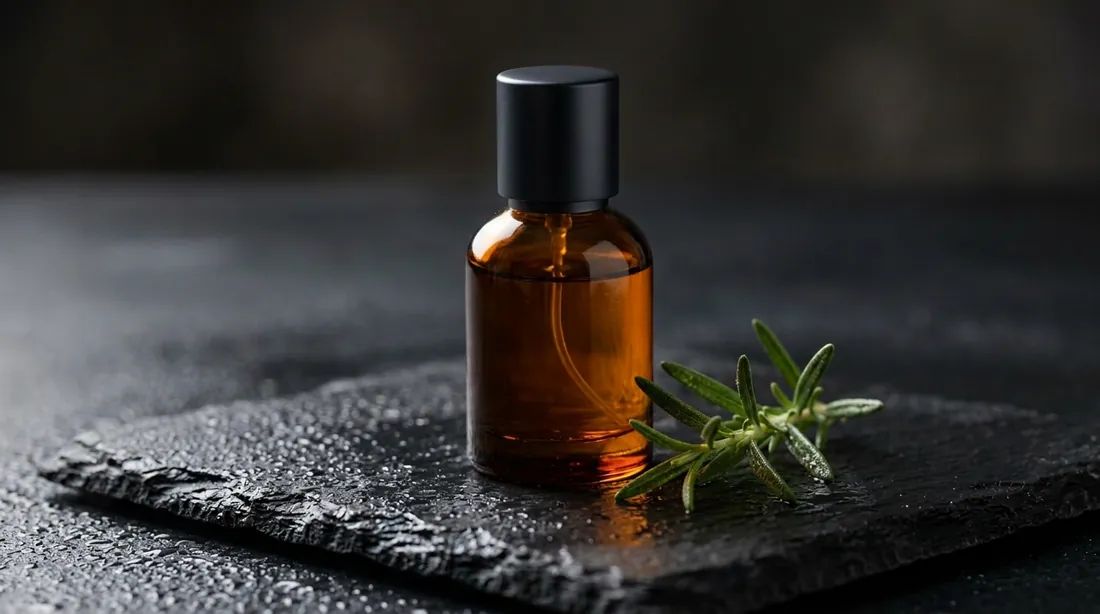
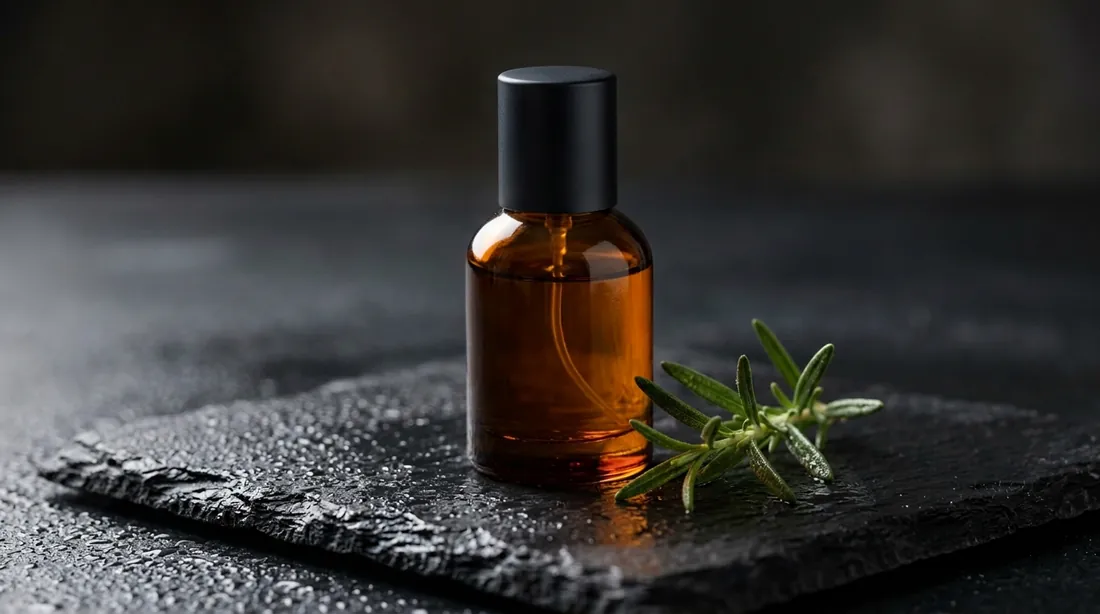
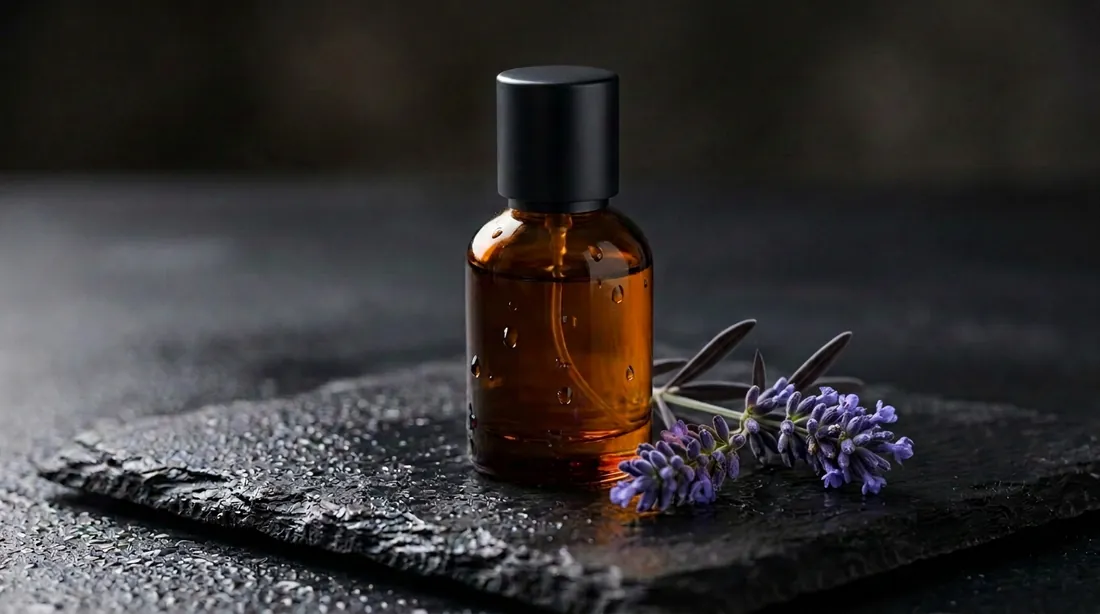
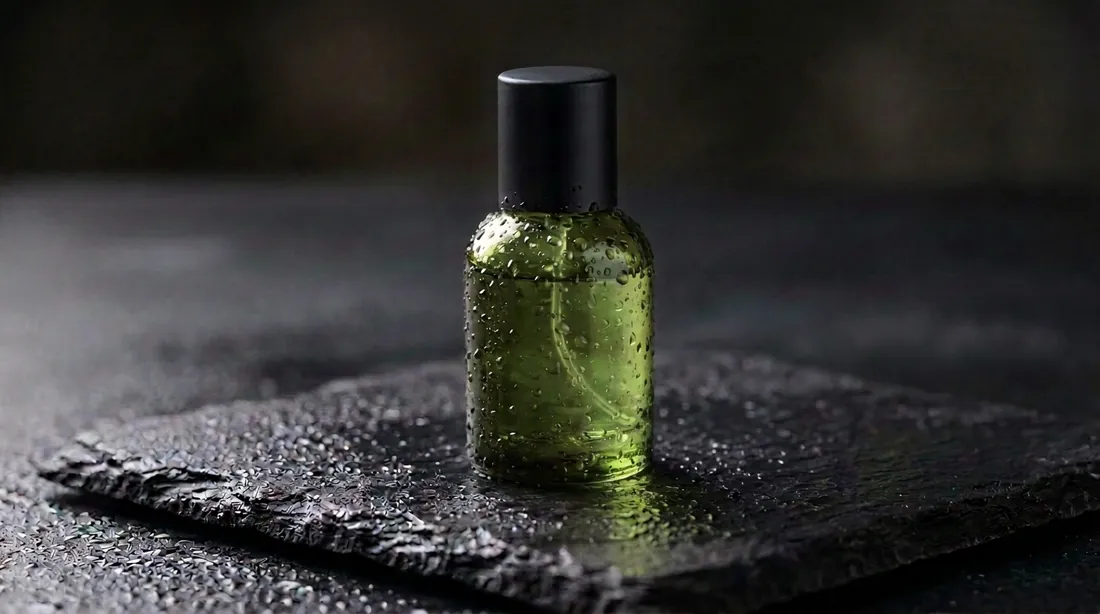
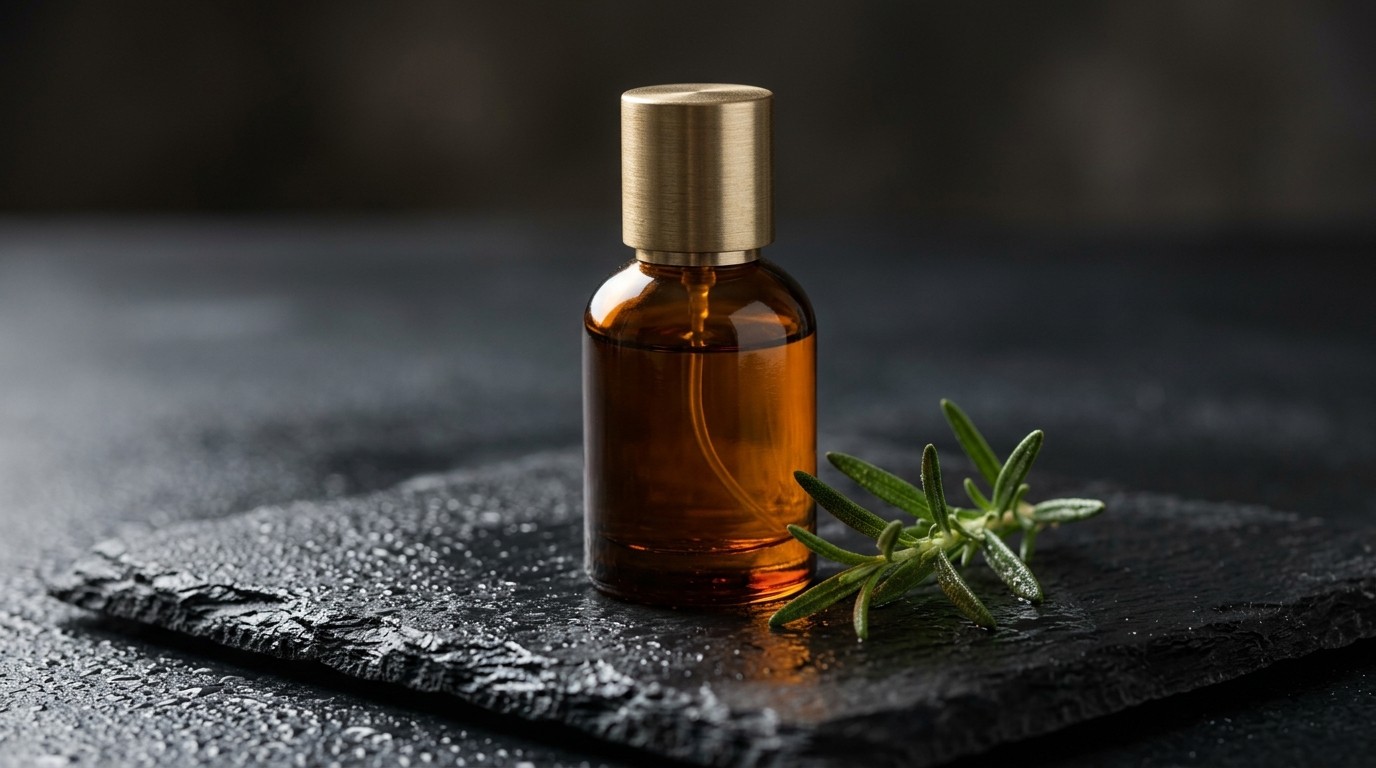
A perfume bottle without a label
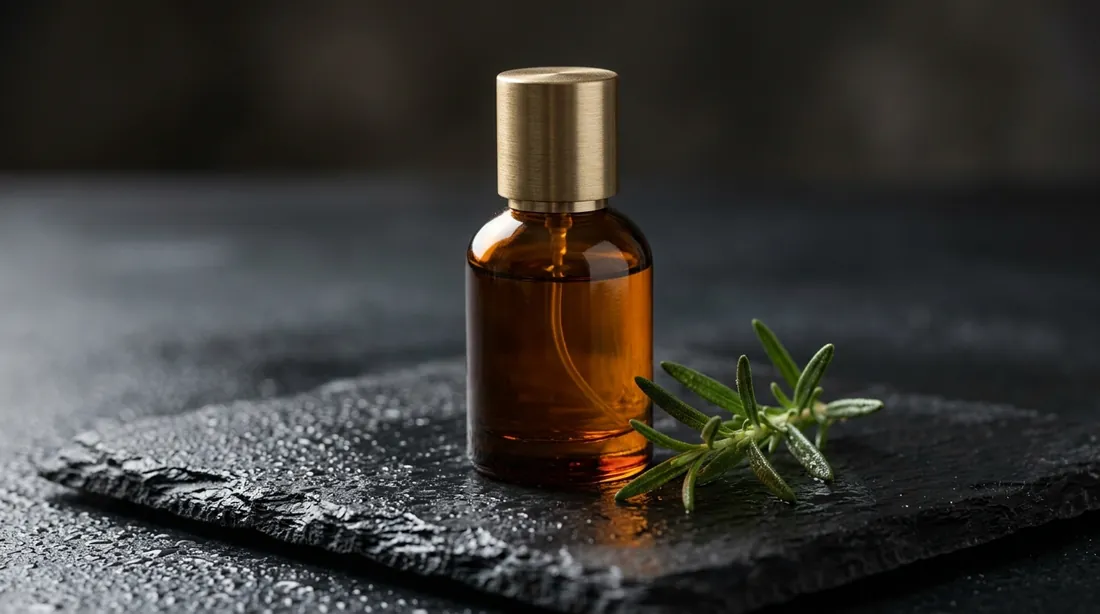
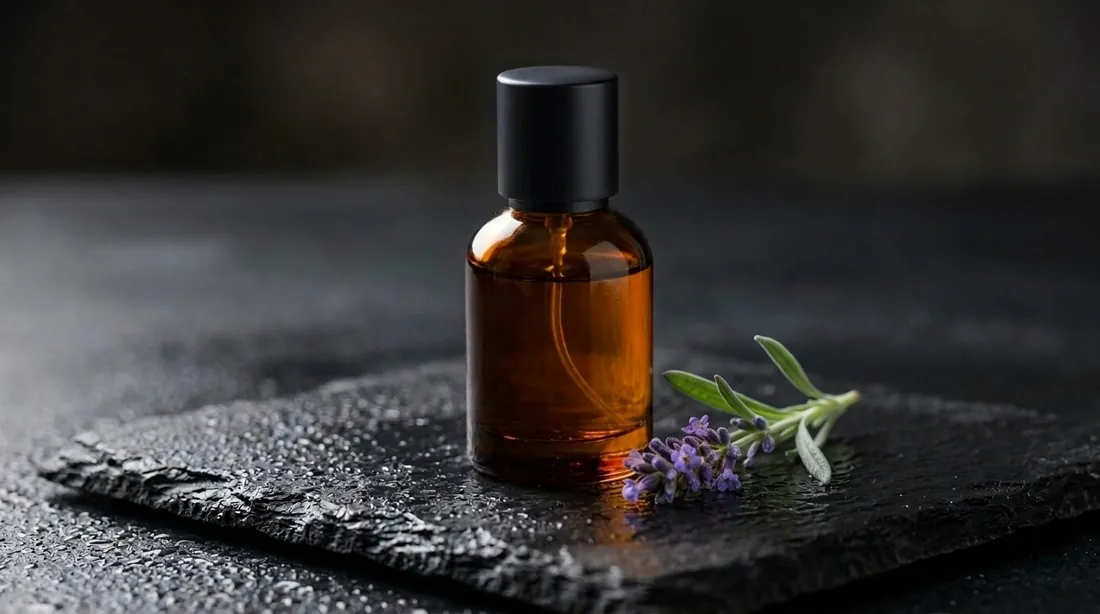
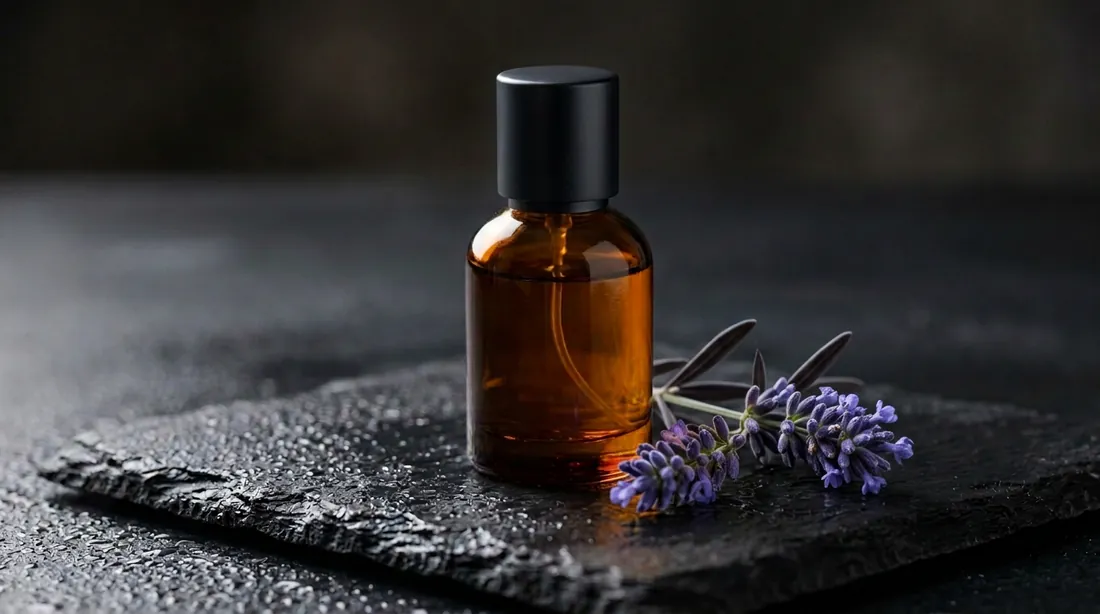
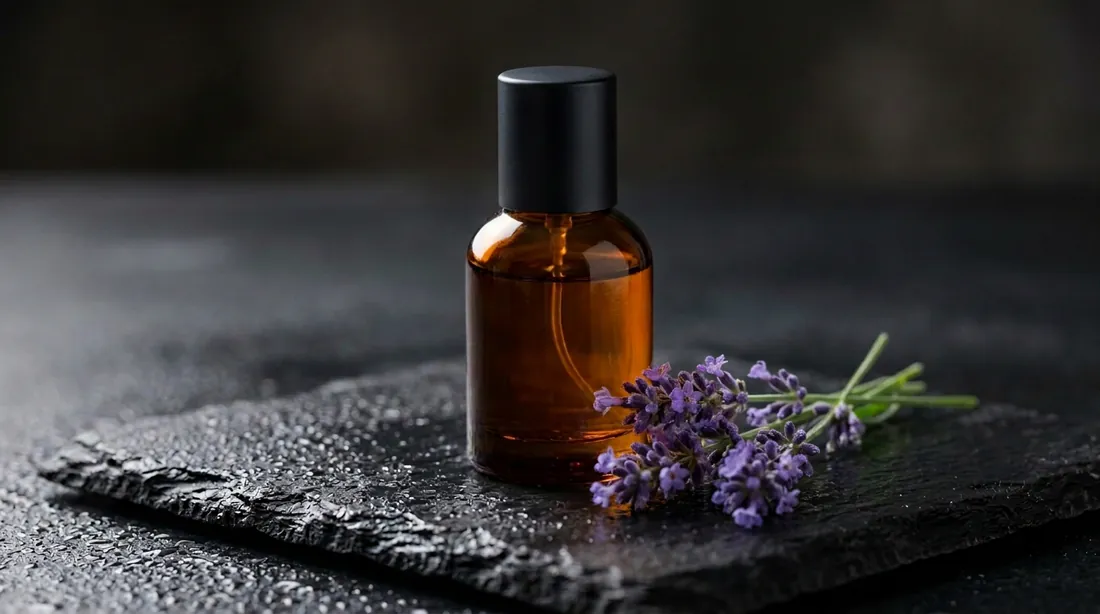
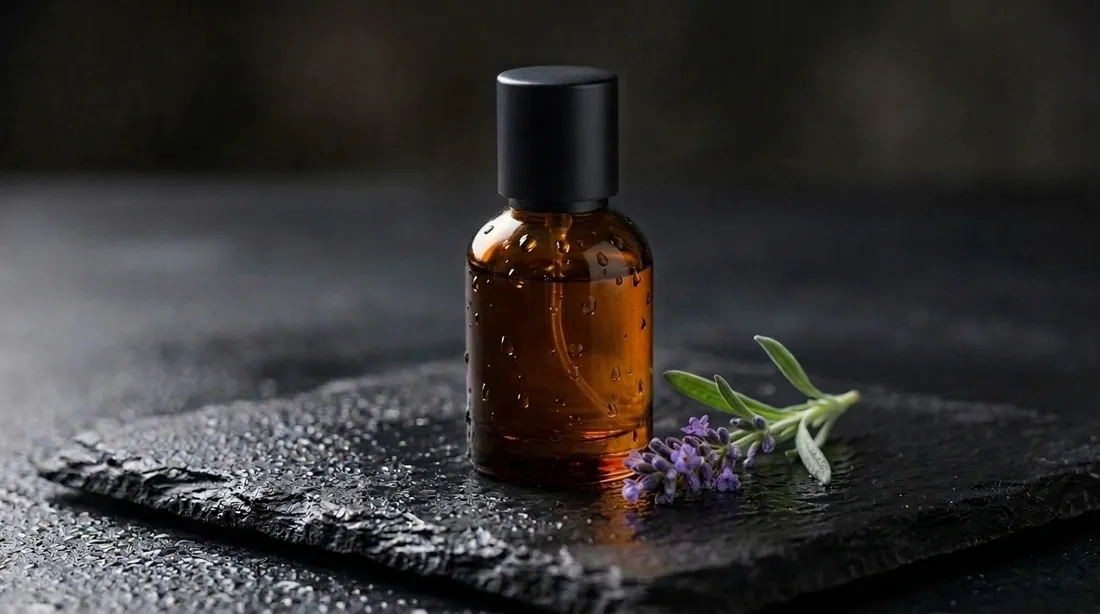
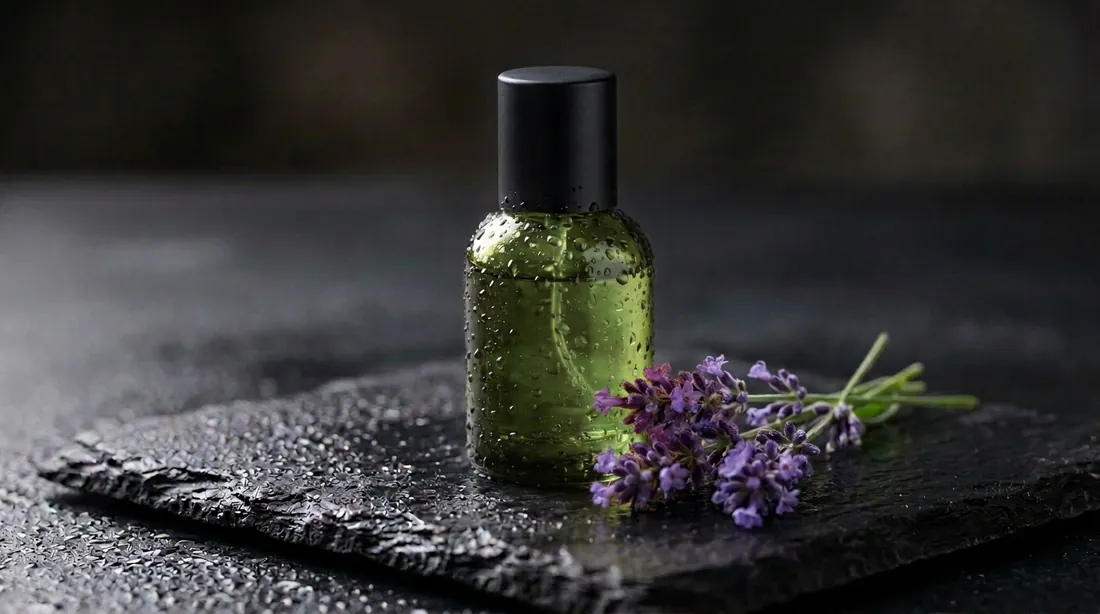
The prompt says nothing about a label. Nano Banana 2 made up "Rosemary & Bark", Pro "Rosémary & Juniper N.04 Paris". 2.1 left the bottle blank. If your client's real label goes on later, that is exactly what you want.
Same prompt. Tap a model to compare.
The prompt did not mention a label. Two of the three added one anyway.
04
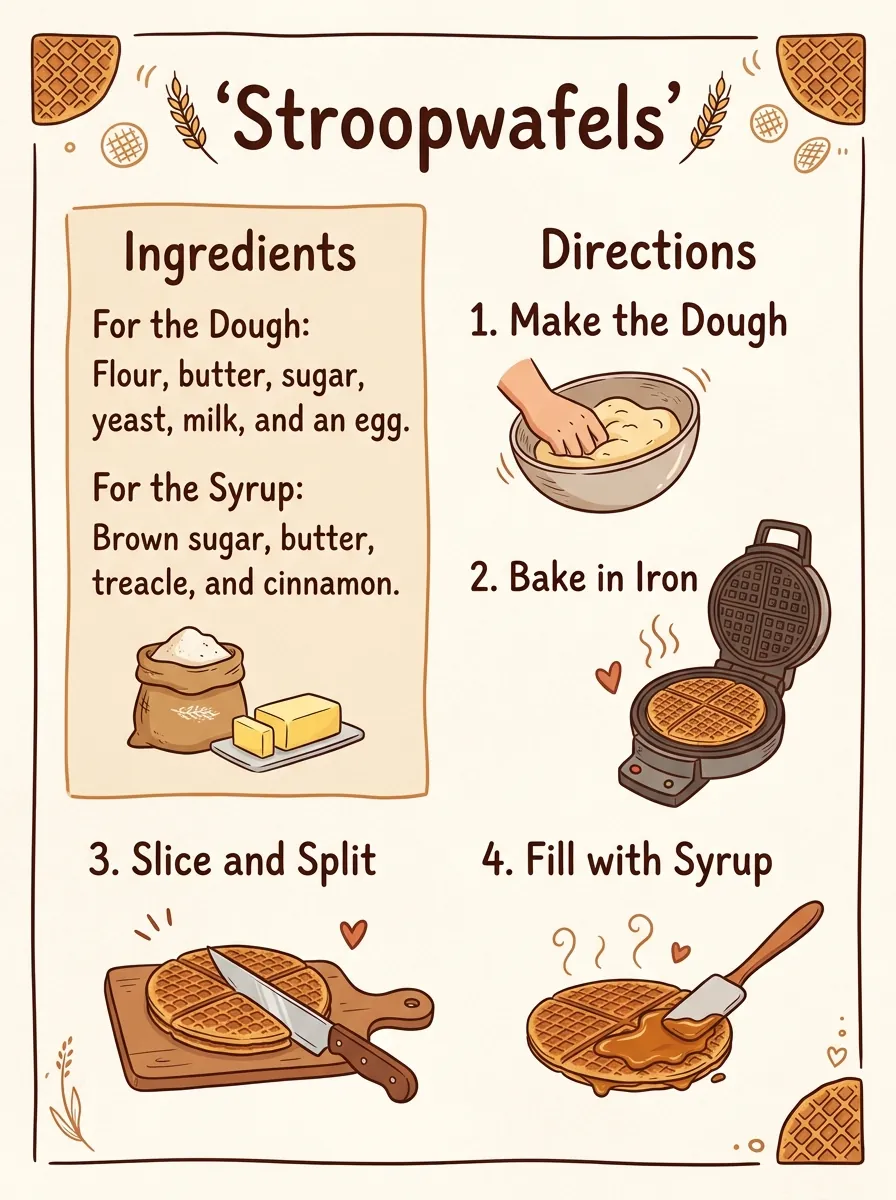
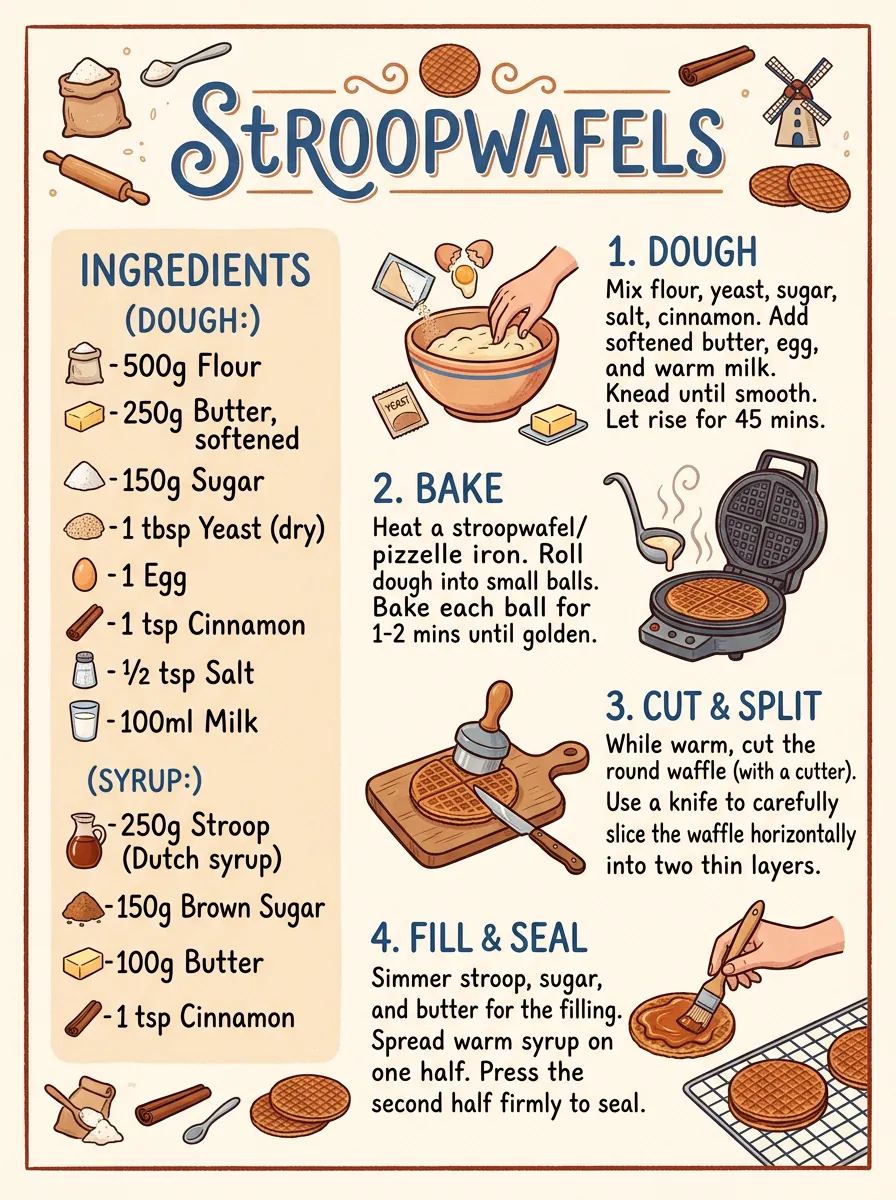
The recipe card: here 2.1 lost
2.1 took the quote marks around 'Stroopwafels' from our prompt and drew them into the title. It also left out every amount. Nano Banana 2 made the most useful card, with grams, millilitres and minutes. Pro is clean but thin.
Same prompt. Tap a model to compare.
2.1 copied the quote marks around the title from our prompt.
Across all four prompts, 2.1 adds less text you did not ask for. That was the biggest practical gain we saw. The flip side is that it reads your prompt very literally, quote marks included.
Five edits in a row: does the rest of the image hold?
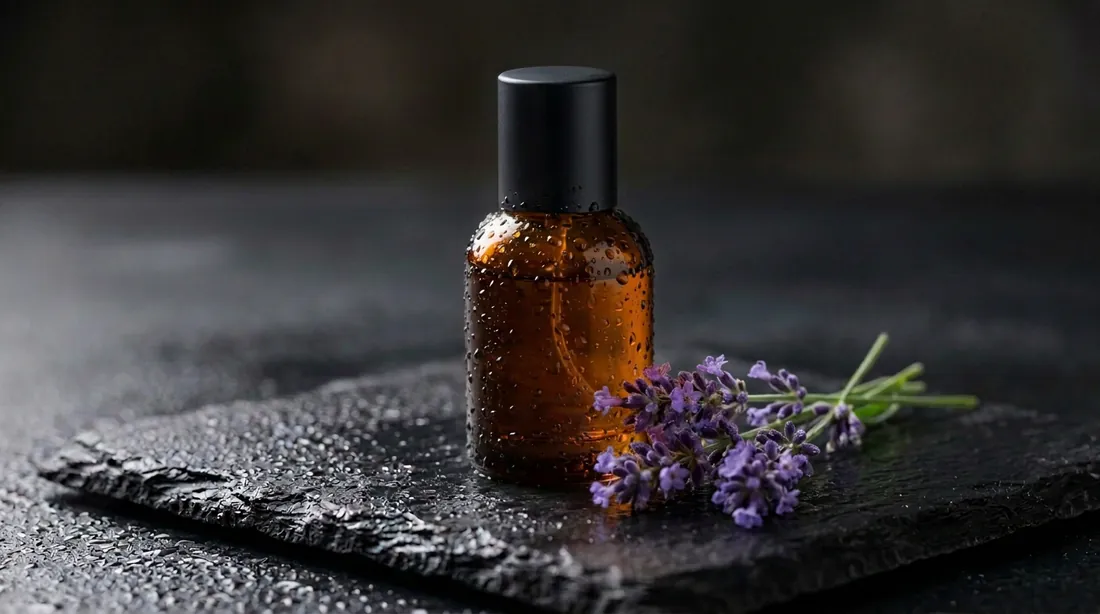
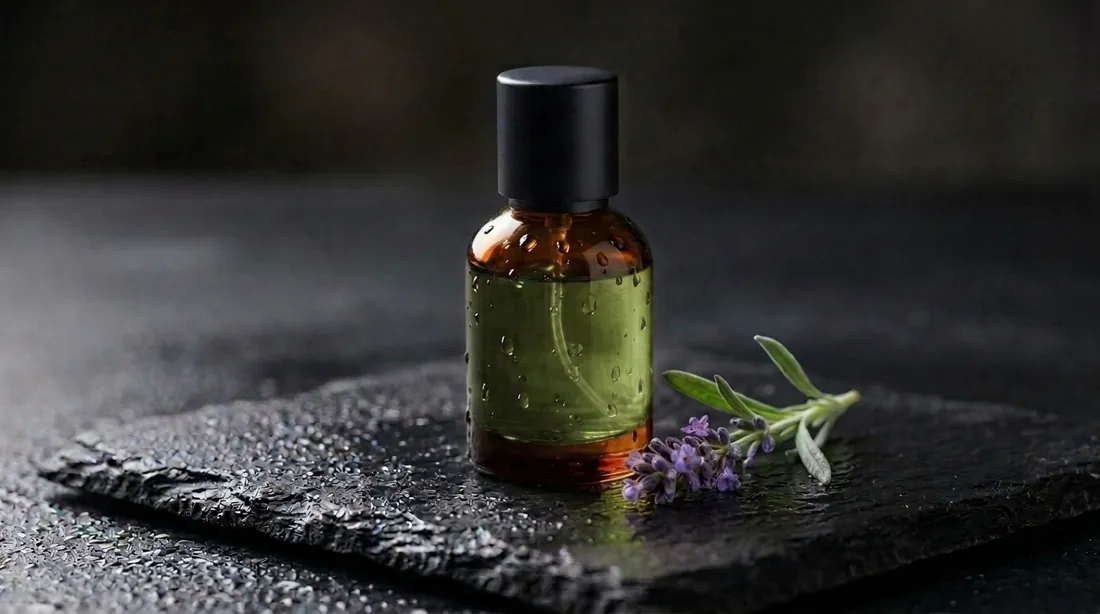
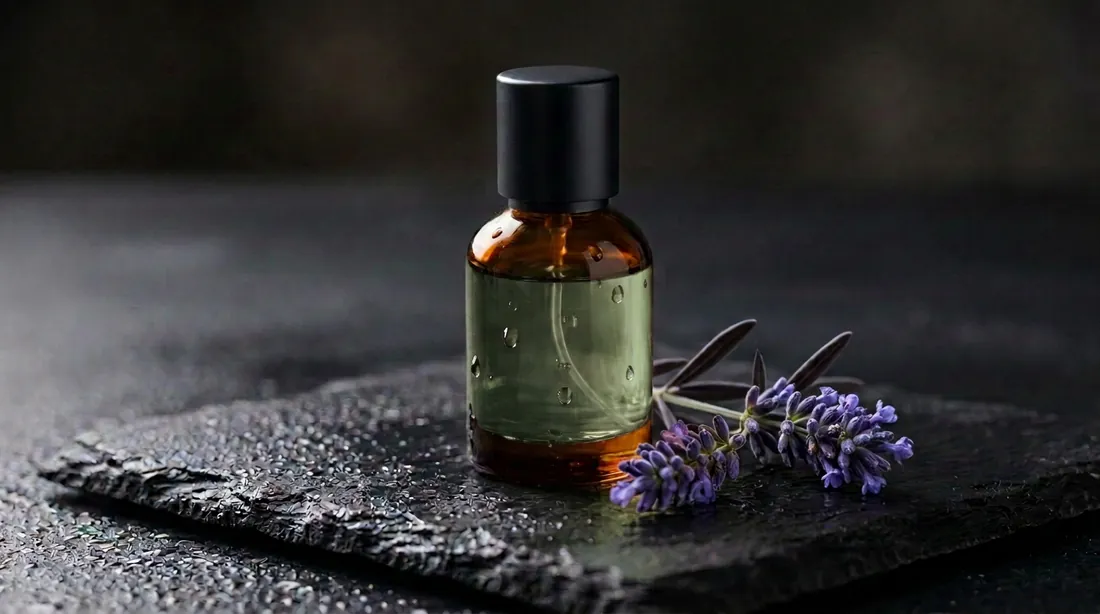
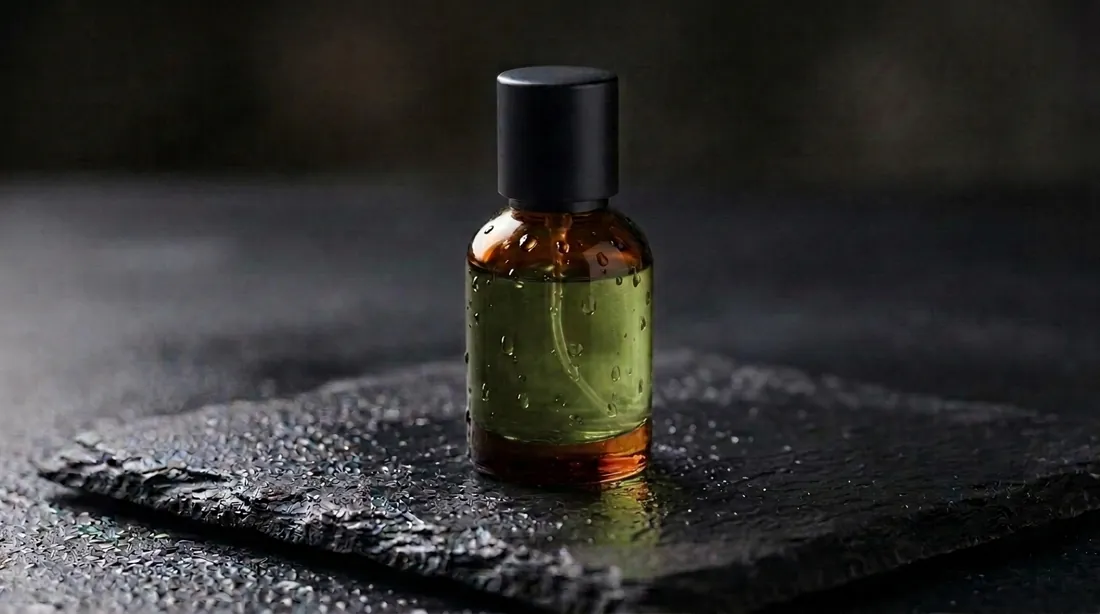
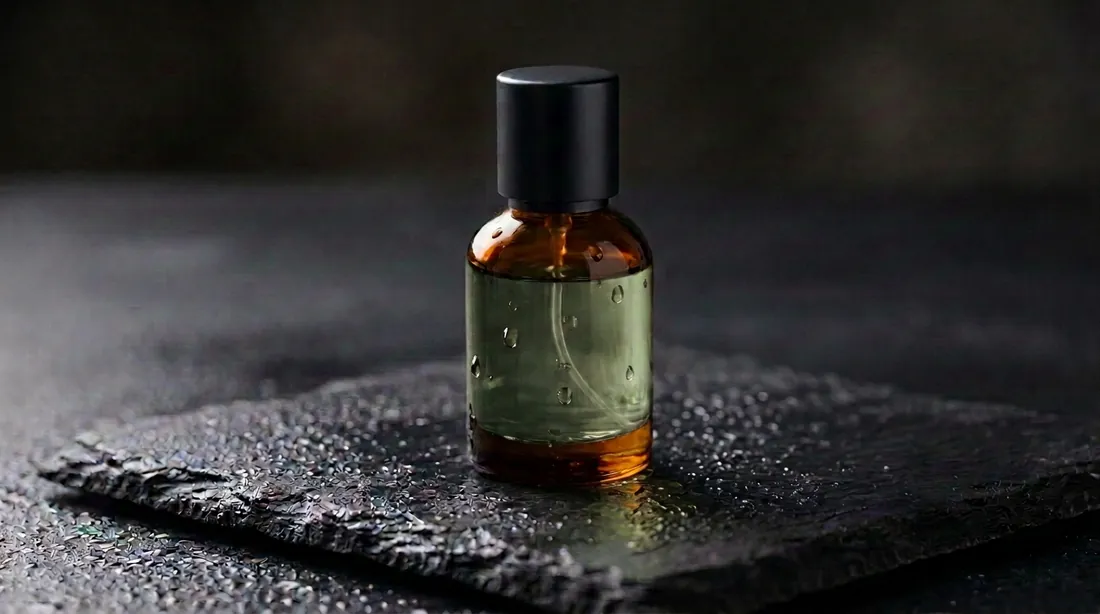
Every edit model promises to change only what you ask. To check, we took the 2.1 perfume shot and ran five edits in a row, each one fed the result of the previous one. Black cap, lavender instead of rosemary, droplets on the glass, green liquid, herb gone. Every instruction ended with "keep everything else exactly the same". Then we measured the left 35 percent of the frame, which no edit was supposed to touch.
All three drift, and in the same way. The image gets a little darker with every pass, almost 2 levels per edit. 2.1 does no better than Nano Banana 2 here. Pro holds best, with about 15 percent less drift after five edits. 2.1 also only half followed the lavender swap. It kept the rosemary and laid a small bunch of lavender next to it. Last week Ideogram 4.5 launched with exactly this complaint about Nano Banana models. Our numbers do not prove their claim, but they do not contradict it either.
The drift adds up per pass. So if you need several changes, start each one from your clean source image instead of building on the last output.
Drag to step through the five edits.
Change in the untouched part of the frame after each edit (0-255 scale, lower is better)
Change in the untouched part of the frame against the start image. Mean pixel difference on a 0 to 255 scale, lower is better.
After edit
2.1
NB 2
Pro
1
3.16
3.19
3.10
2
5.13
5.59
5.03
3
7.24
7.59
6.19
4
9.44
9.52
7.86
5
11.67
11.50
9.77
Masks in the API are a hint, not a fence
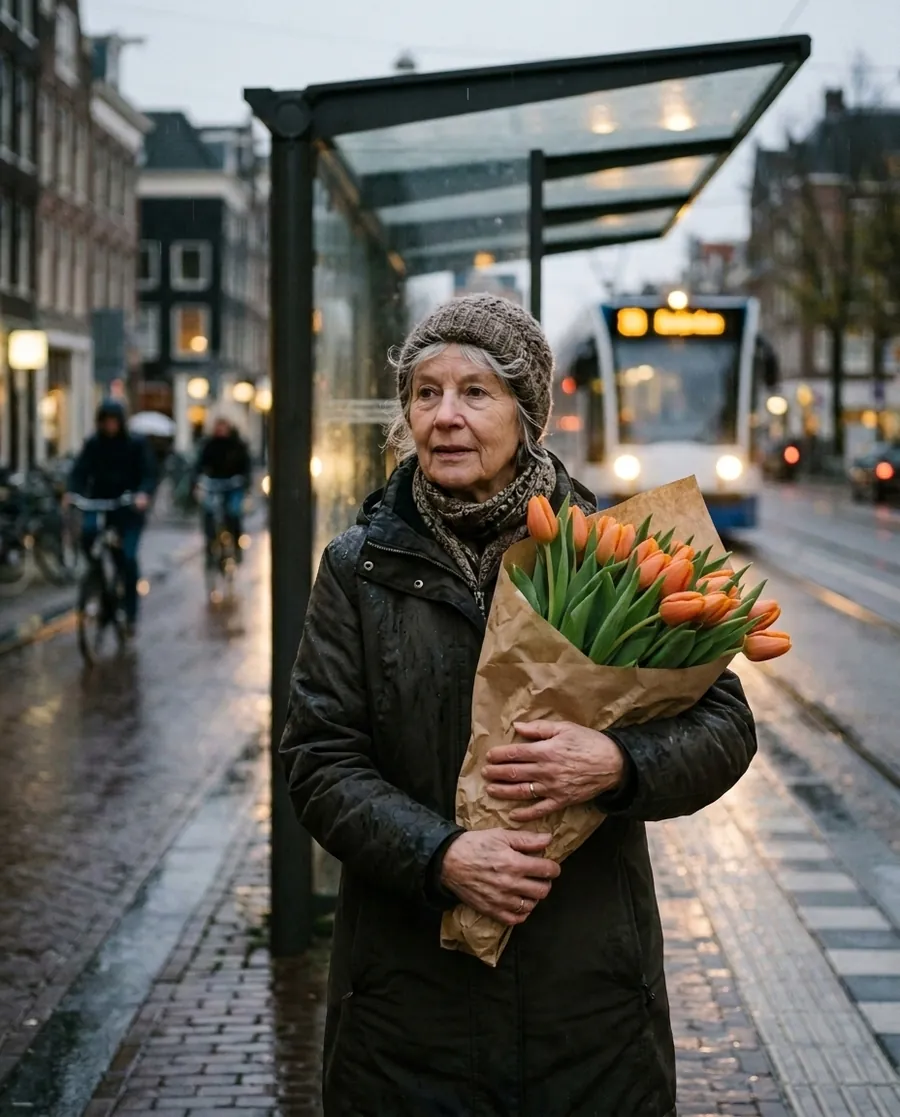
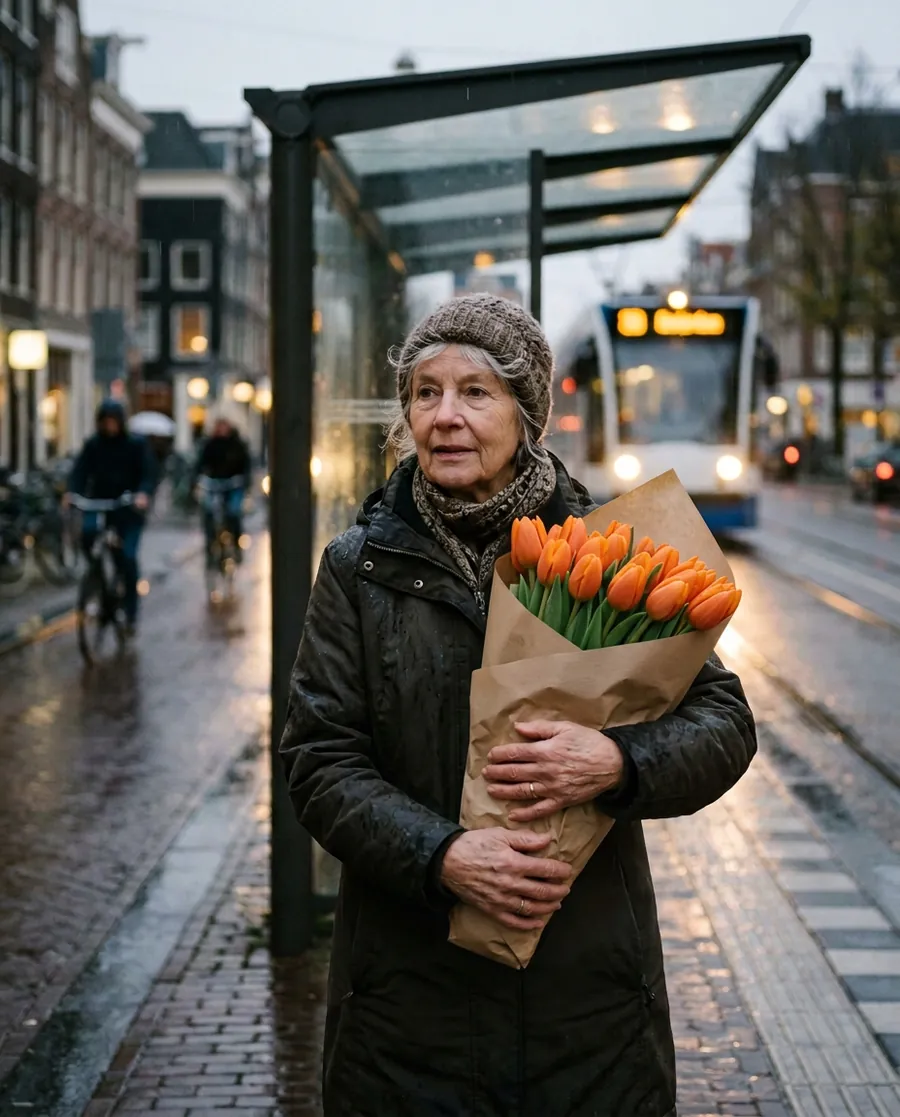
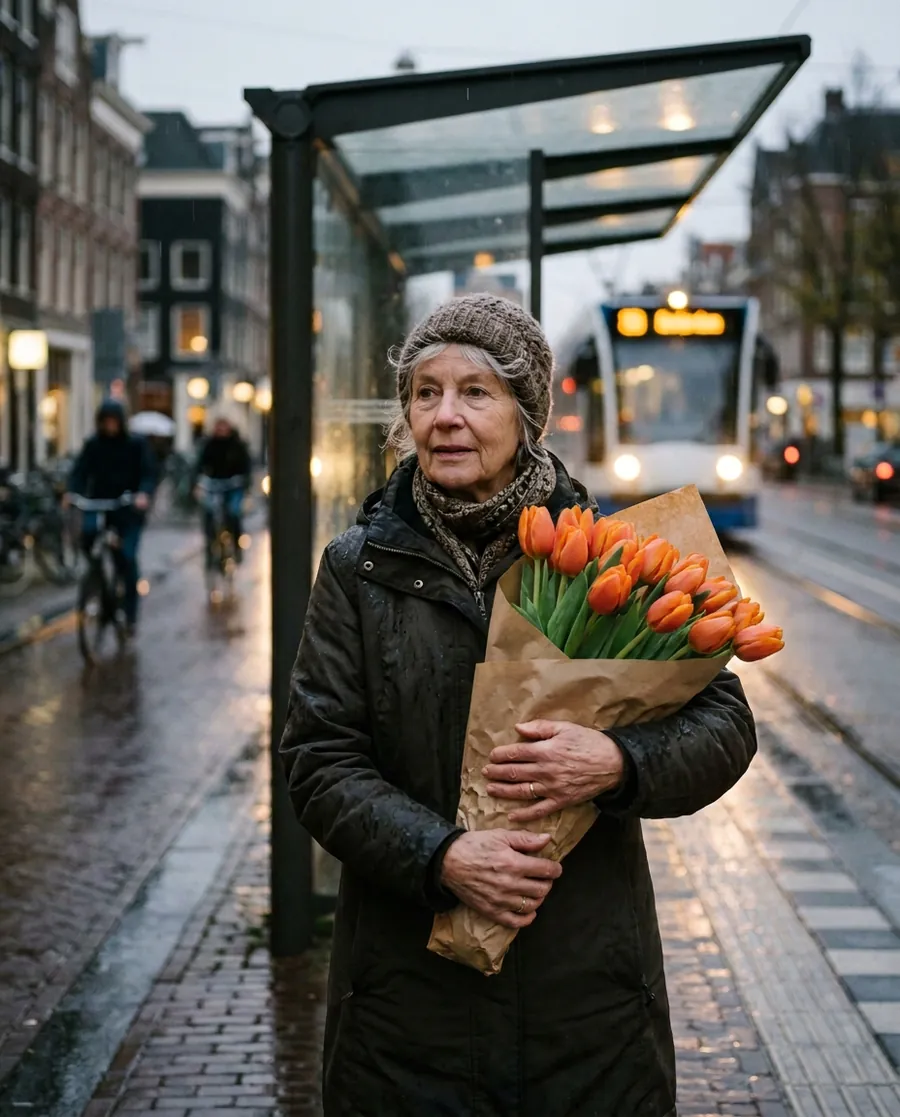
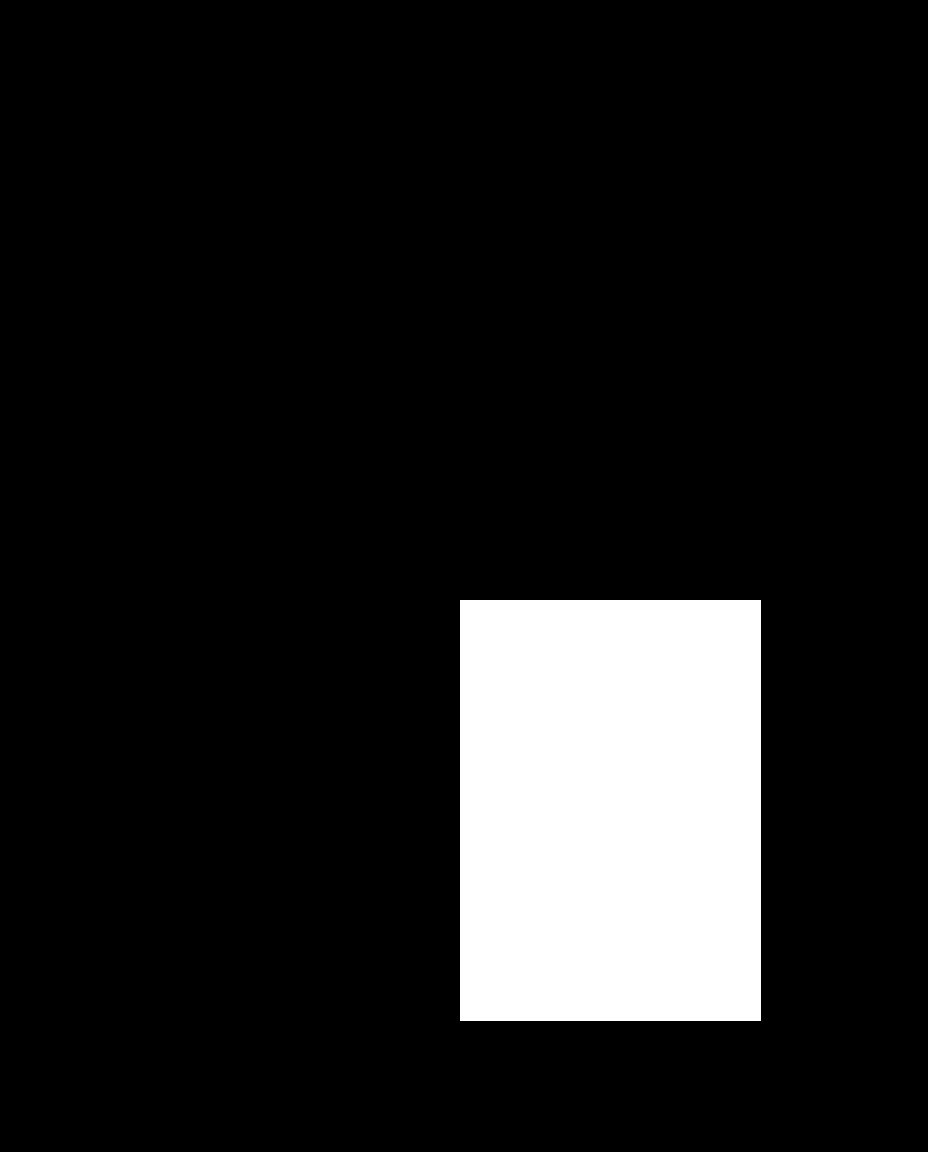
Google names mask-based editing as one of the big steps forward. In the API we found no separate mask field. The docs describe semantic masking, where you name the area in words. So we drew a white box over the grocery bag and sent it as a second image, with the instruction to change only the white part.
All three understood the job and all three coloured outside the lines. Outside the mask, 3.8 percent of pixels changed noticeably with 2.1 (more than 10 levels), 3.4 percent with Nano Banana 2 and 3.5 percent with Pro. In the API, 2.1 is no more precise than its predecessors. We only tested the API. Whether the editing tools in Flow and the Gemini app hold the line better, we have not checked.
Google's own model card tells a split story. In its side-by-side tests with human raters, 2.1 scores 1049 for mask and ink-based editing, against 965 for Nano Banana 2 and 927 for Pro. The same card lists "partial instruction following and ink persistence in masked/doodle based editing" as a known limitation. Google rated many edits by preference; we measured one edit in pixels. Those are different measures, so we do not add them up. Google's raters prefer 2.1, while in our single pixel test it did not stay inside the mask any better than Nano Banana 2 or Pro.
Source image. The white box in our mask covered the grocery bag.
Dashed line = edge of the mask
All three swapped the bag for tulips. In all three the bouquet grows past the top of the mask.
One face, three scenes
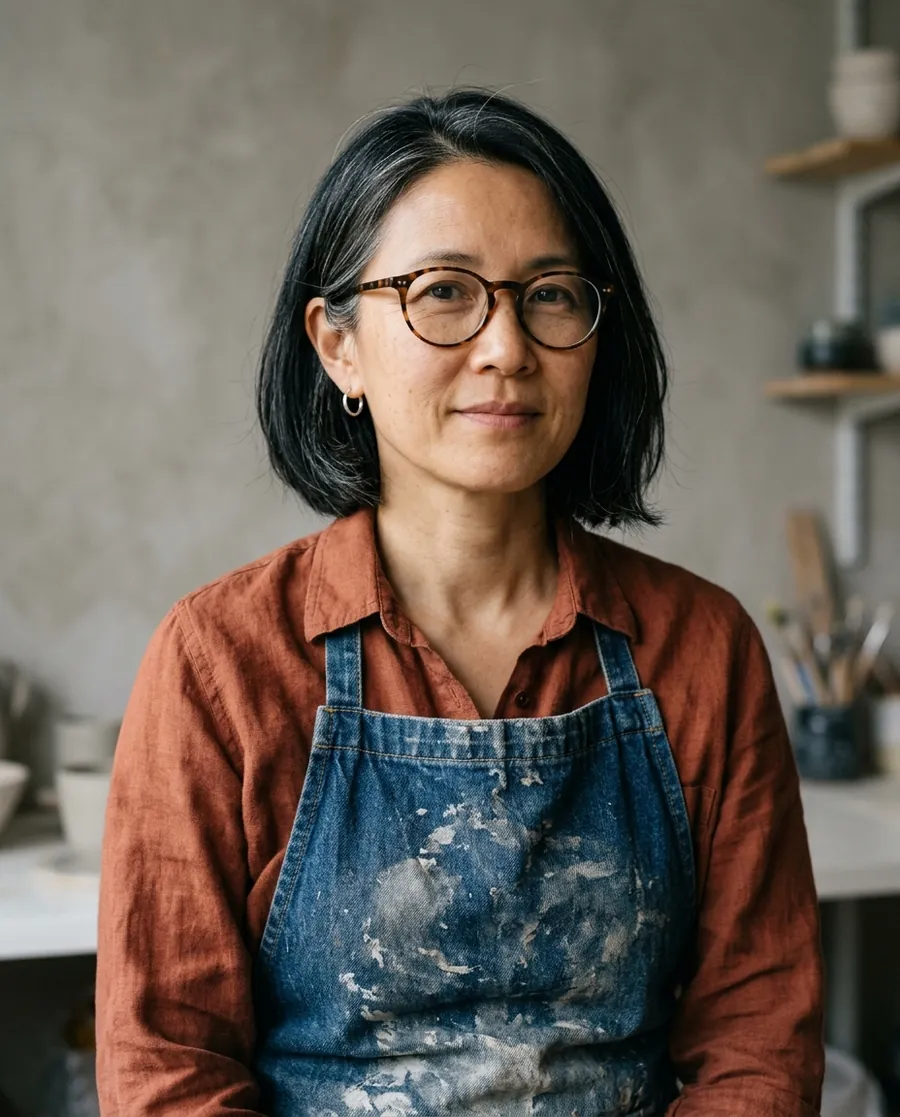
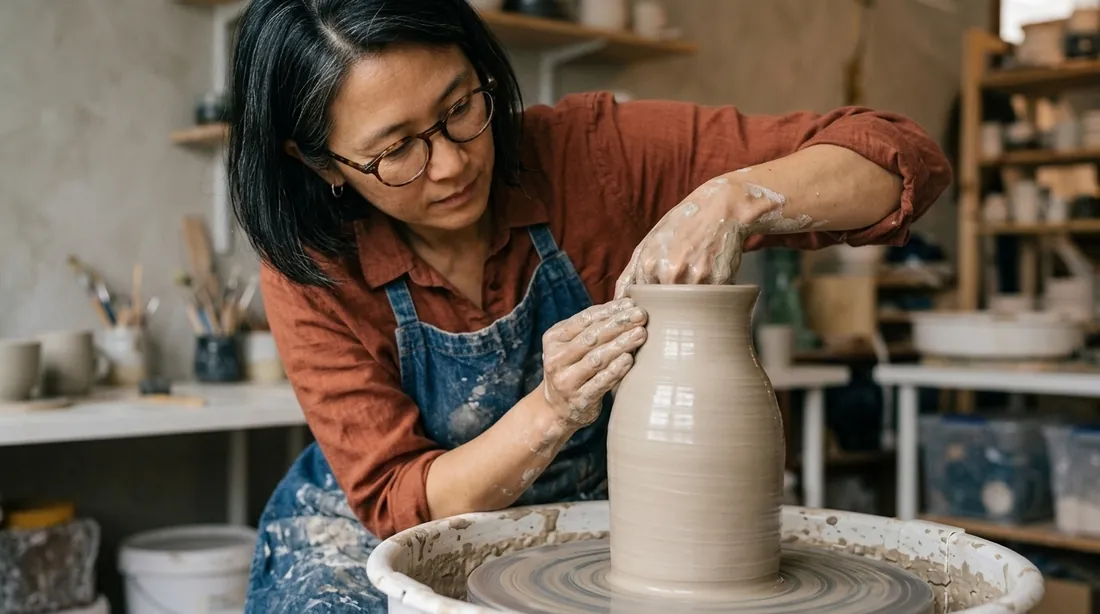
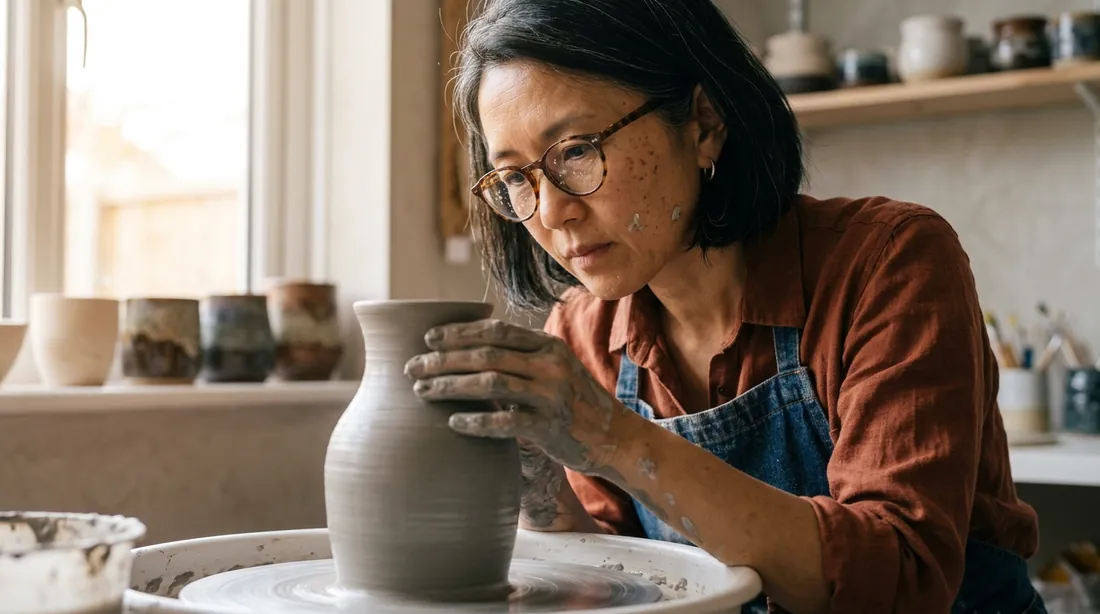
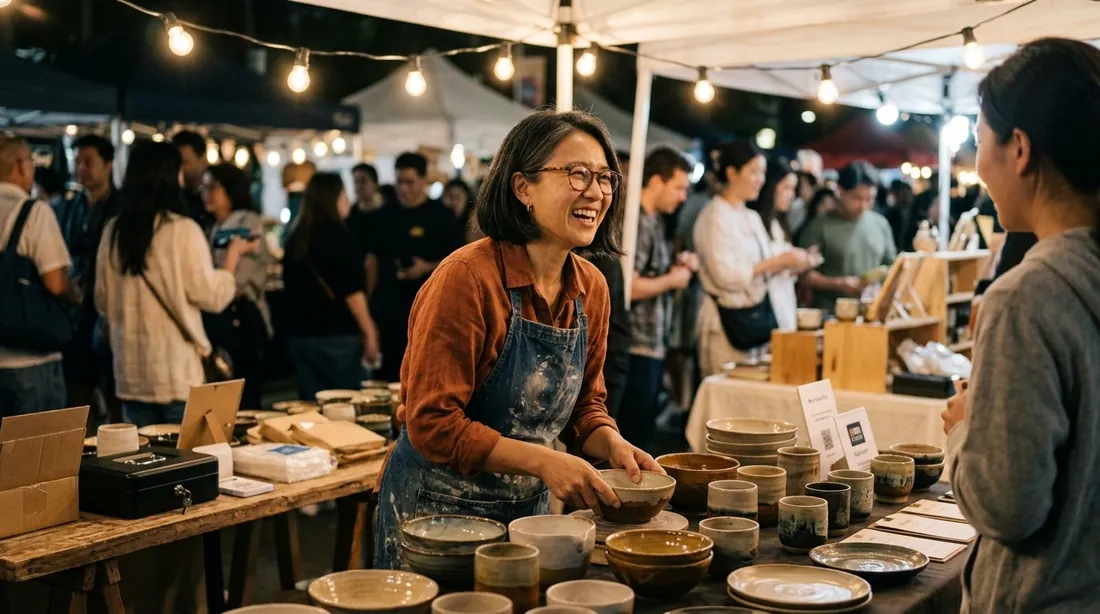
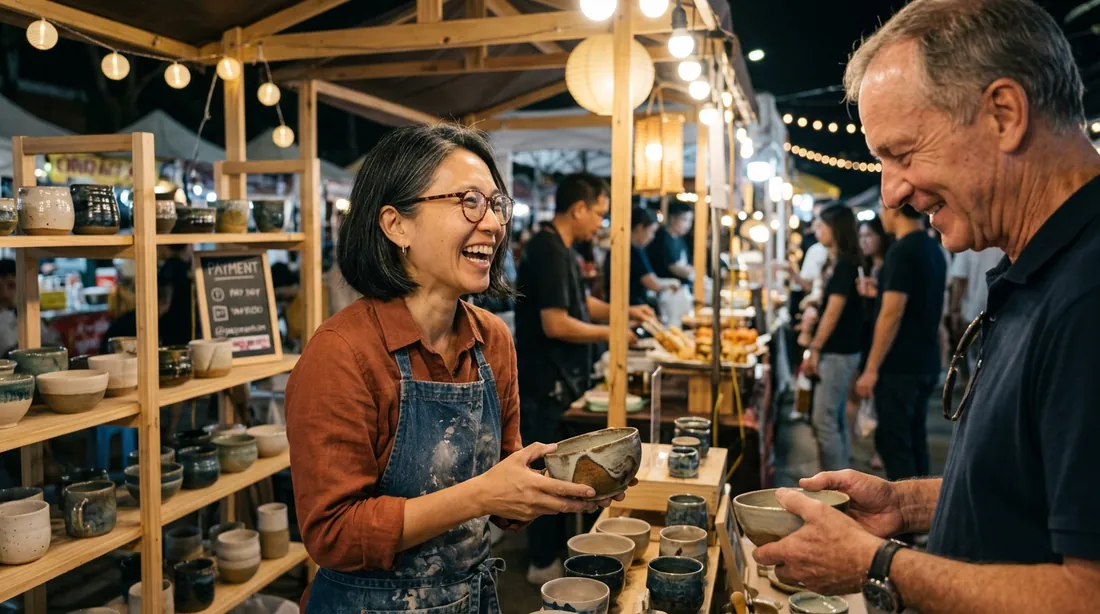
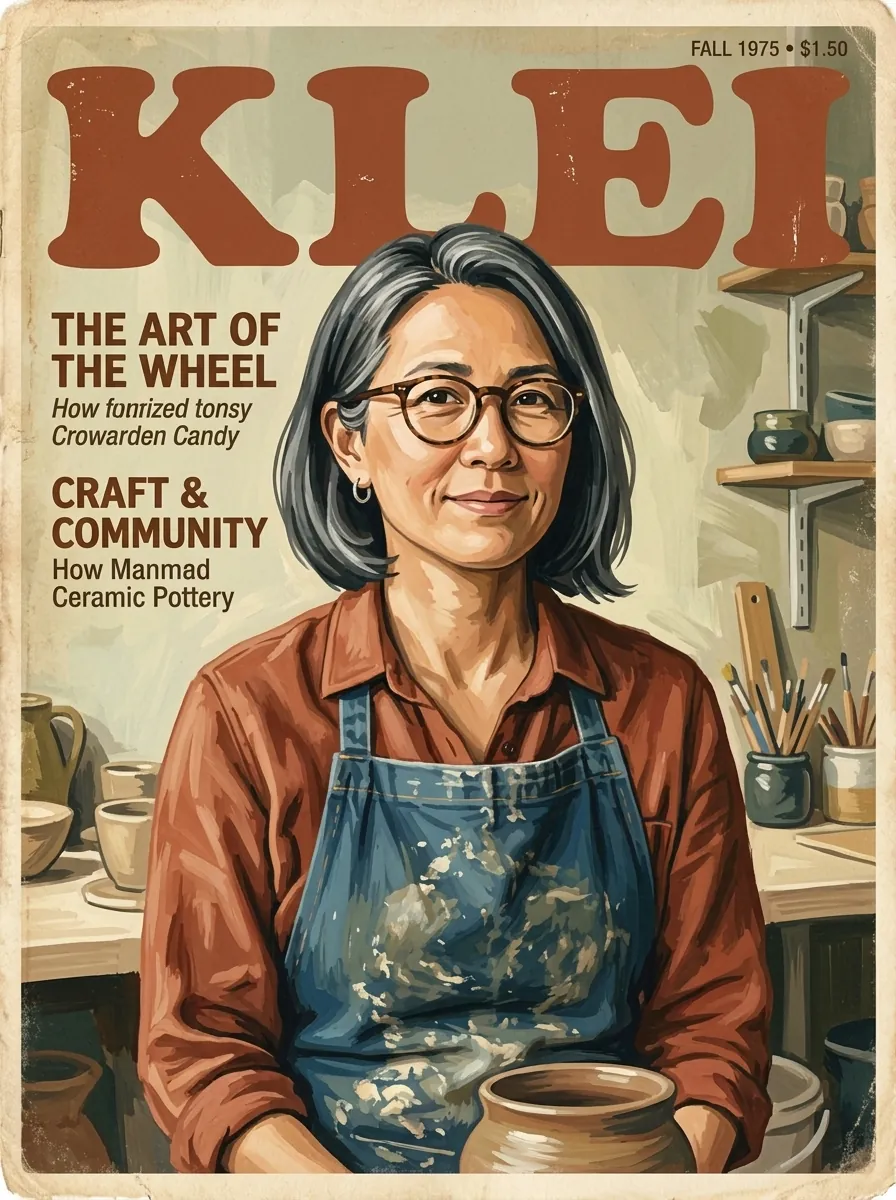
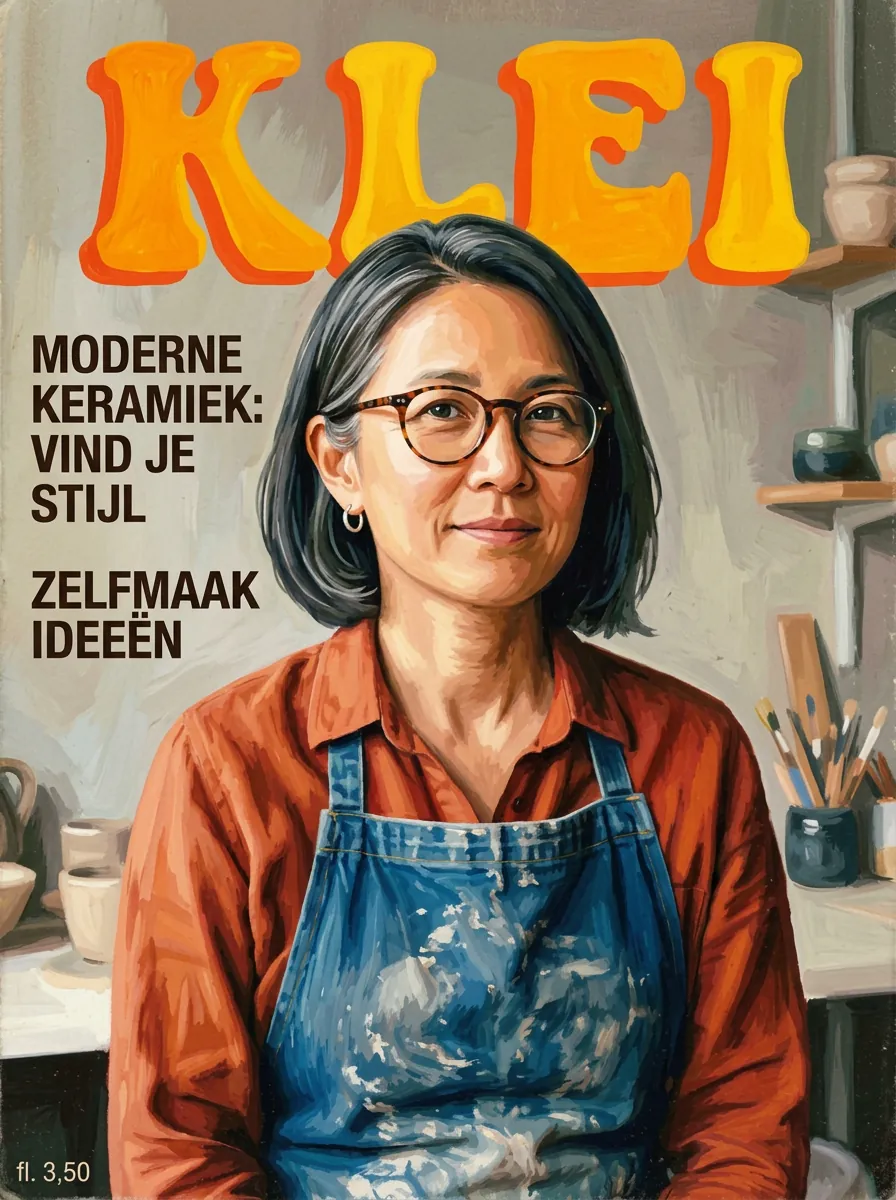
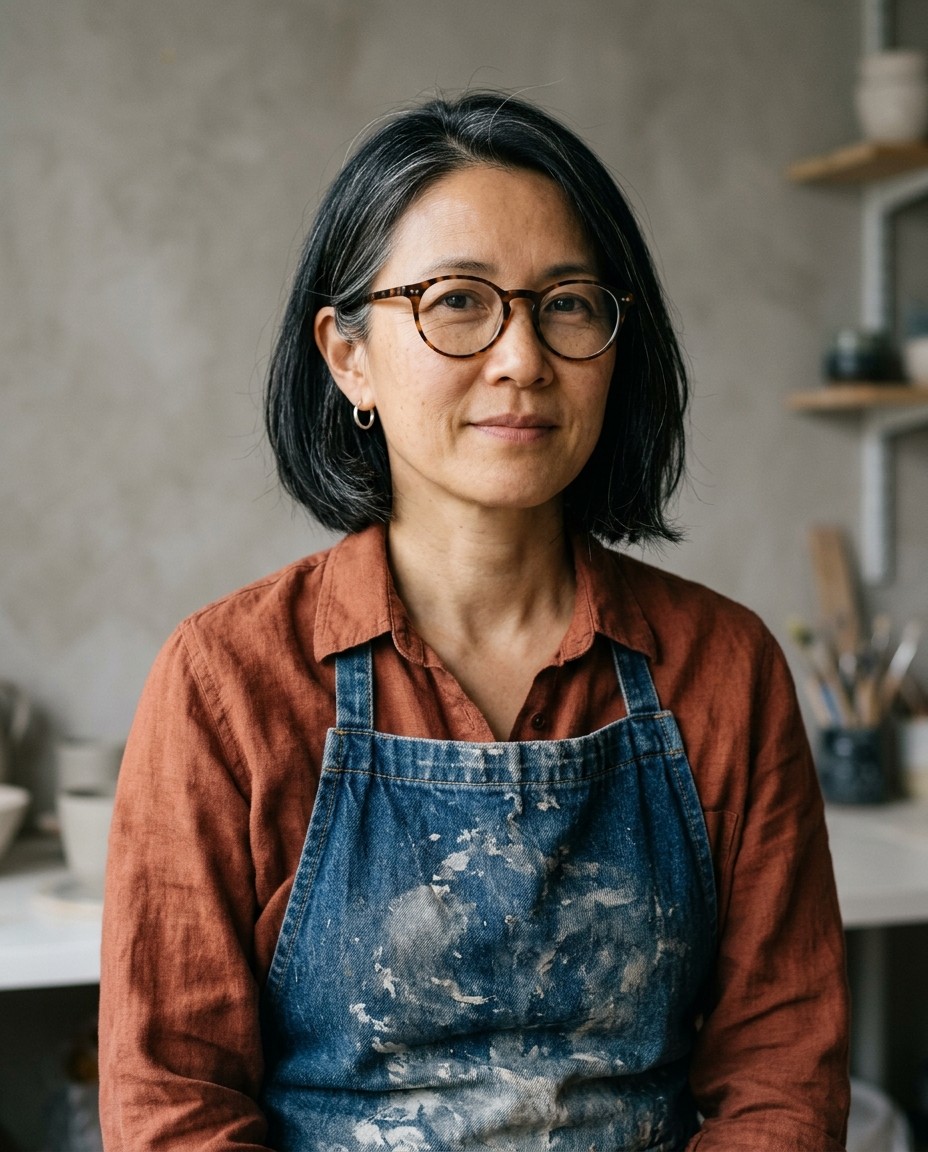
Subject consistency is the third promise. We had 2.1 create a fictional ceramicist and then put her in three new scenes with that portrait as reference. At the wheel, at a night market and on a 1970s magazine cover. Then the same three scenes with Nano Banana 2.
Reference, made by 2.1
At the wheel
Night market
Magazine cover
Same prompt. Tap a model to compare.
Both kept her glasses, grey streaks, earring and apron in every shot. The difference is in the style instructions. 2.1 painted the cover in gouache as asked. Nano Banana 2 made it a lightly painted photo, but wrote Dutch cover lines that fit the title KLEI. 2.1 filled its cover with fake English. Google's model card lists up to 14 reference images, with consistency for up to four characters and ten objects. We tested one character.
Make 2.1 your draft model, keep Pro for the final shot
For most creative work, 2.1 should be your default from today. Half the price of Nano Banana 2 and about as fast: 10.9 seconds per 1K image in our runs, against 10.4 for Nano Banana 2 and 22.7 for Pro. And it invents less text. That last point saves real cleanup time on posters, packshots and anything a client will zoom into.
Google's claim that it beats its earlier models across the board does not hold in our edit chain, though. After five edits 2.1 had drifted as much as Nano Banana 2, and Pro held the untouched part of the frame best. Arena voters prefer 2.1's single edits over Pro's, and both things can be true: a vote judges one result, our chain measures what leaks over five. For a hero image that goes through five rounds of client feedback, Pro still earns its four times higher price. fal calls 2.1 significantly faster than Nano Banana 2; in our runs the two were within a second of each other.
One shot per prompt proves less than it seems
Fair is fair: this test is small. One attempt per prompt and 37 images. 2.1 does not even accept a seed, so a second run could flip the recipe card. Our drift measure only looks at one part of the frame and misses texture changes that keep the same brightness. And everything ran through OpenRouter, not straight through Google. Read these results as a direction, not a benchmark. Arena's count for 2.1 is young too: 5,312 text-to-image votes, against almost 175,000 for Pro.
Before you move a batch over
Take the one prompt you run most, generate it once at 1K on 2.1 and once on your current model, and zoom into every piece of text. If 2.1 holds up on that one prompt, your next batch costs half. If it does not, you know it now and not on the day Nano Banana 2 gets its shutdown date.
Leaked on Monday night, live on Tuesday evening
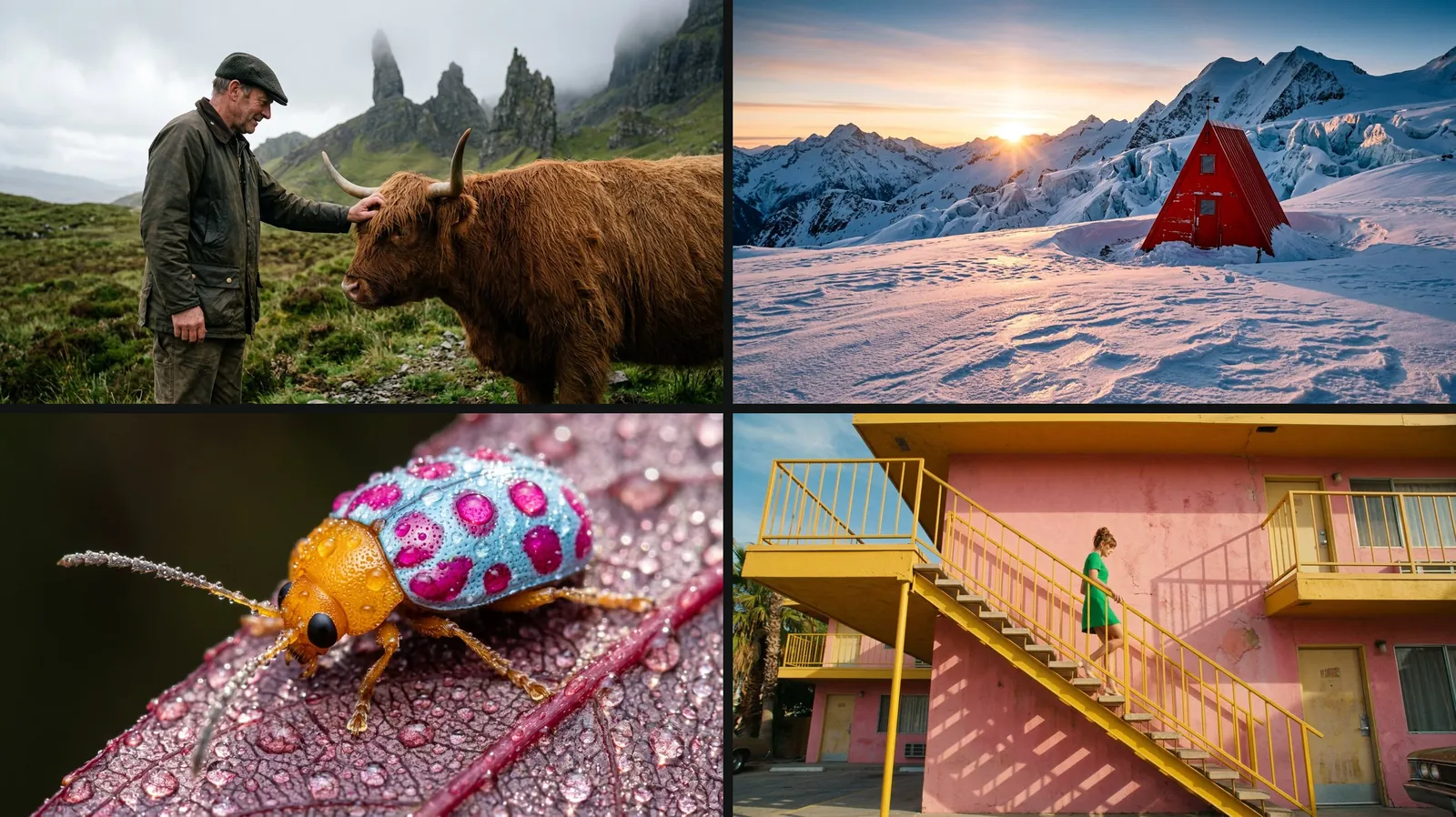
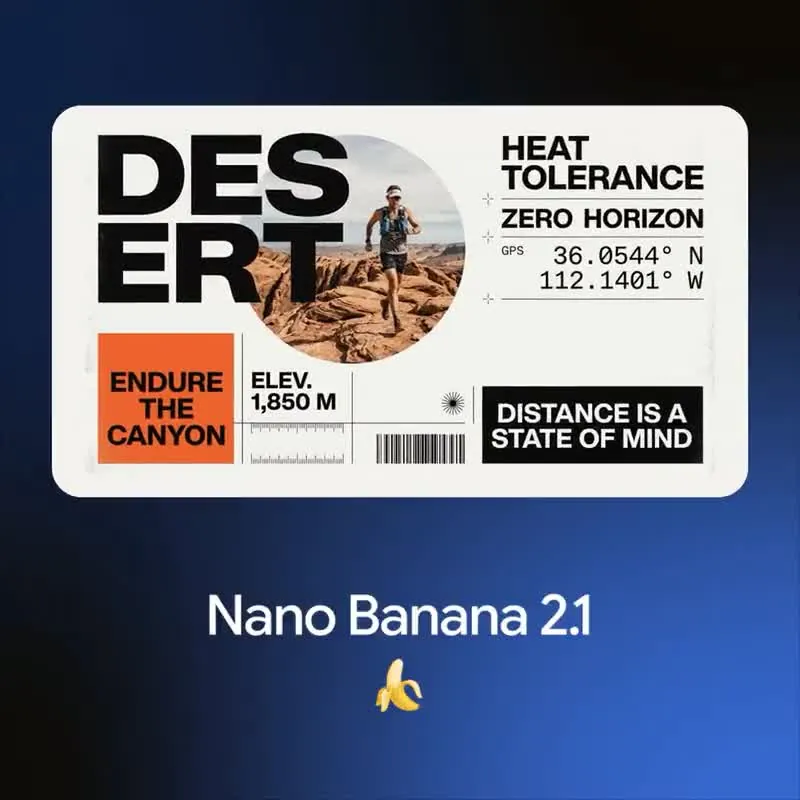
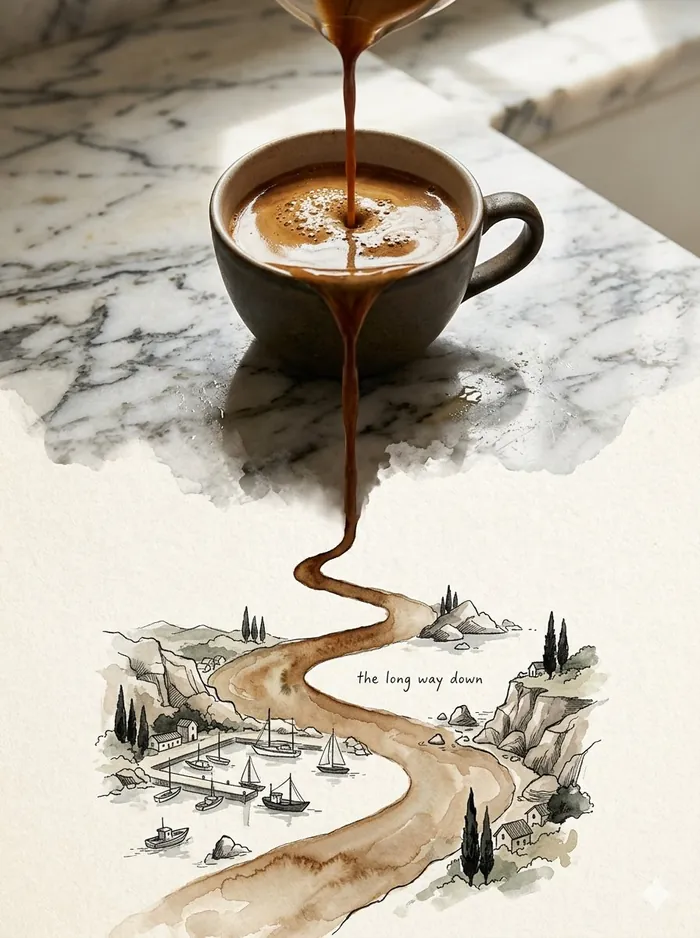
Google showed four images with the launch. They look great, and they are Google's own picks, so they say less about an average result than the tests above.
"Outperforming previous Pro model at 4x cheaper price (now $0.034 per image vs $0.134)."
That quote is the strongest claim of the launch. Arena backs it for single images. Our edit chain does not. The rollout went fast:
TestingCatalog spots 2.1 in Google Flow. The output looks like Pro, and the option disappears again.
The model appears in AI Studio and the Gemini API, image output priced at $30 per million tokens.
Google announces Nano Banana 2.1. fal and Krea list it within the hour, Higgsfield and Replicate the same evening.
Google Flow confirms 2.1, next to Nano Banana Pro and Nano Banana 2 Lite.
Google drops the 29 October shutdown date. Nano Banana 2 stays deprecated, with no date announced.
Monday 5 October: Nano Banana 2.1 in the Google Flow model picker, a day before the launch. Screenshot by TestingCatalog on X.Tuesday 6 October: 2.1 in the AI Studio model list, image output $0.0336. Screenshot by TestingCatalog on X.
Top: Google AI Studio's launch images. Bottom left: a frame from Google's launch GIF. Then four examples from Philipp Schmid of Google DeepMind. Sources: @GoogleAIStudio, @Google, @_philschmid.
Can you use 2.1 on UlazAI?
Yes. Since 7 October Nano Banana 2.1 runs in the UlazAI Image Studio, from 4 credits for a 1K image. Every prompt from our showcase is on the Nano Banana 2.1 generator page, ready to open in the Studio. The same account also runs AI videos, so a still you make here can become the first frame of a clip. Want to compare edit models first? Our GPT Image 2.5 editing guide puts the alternatives side by side.
All 14 prompts, exactly as we sent them, one run per model. Together they produced the 37 images above. The reference portrait ran on 2.1 only, the three scenes on 2.1 and Nano Banana 2, everything else on all three models. Edits 2 to 5 take the output of the previous edit as input. Download the input images to rerun the edit, mask and scene tests.
Poster 3:4 · 1K
A Swiss-style concert poster for a jazz night. Big bold headline text 'NIGHT SHIFT', subline 'Live at Paradiso — 14 November — doors 20:00'. Asymmetric grid, one oversized abstract saxophone shape cut from orange paper, off-white background, black and orange only, tight kerning, print texture.
Street portrait 4:5 · 1K
Candid street portrait of an older woman waiting at an Amsterdam tram stop at dusk in light rain, holding a paper bag of groceries, tram lights blurred behind her, shot on 35mm film, natural skin texture, no retouching.
Product shot 16:9 · 1K
Studio product photo of a small amber glass perfume bottle with a brushed brass cap standing on a wet black slate stone, a single sprig of rosemary beside it, soft side light, shallow depth of field, premium catalog look.
Recipe card 3:4 · 1K
An illustrated recipe card for Dutch stroopwafels: title 'Stroopwafels', four numbered steps with small hand-drawn illustrations (dough, iron, cutting, caramel), ingredient list on the left, warm flat illustration style, clean layout, readable text.
Edit 1 of 5 16:9 · 1K
Change only the brass cap to a matte black cap. Keep everything else in the image exactly the same, same framing, same light.
Replace only the rosemary sprig with a sprig of lavender. Keep everything else in the image exactly the same, same framing, same light.
input: output of the previous edit
Edit 3 of 5 16:9 · 1K
Add a few small water droplets on the glass of the bottle only. Keep everything else in the image exactly the same, same framing, same light.
input: output of the previous edit
Edit 4 of 5 16:9 · 1K
Change only the liquid inside the bottle to a pale green colour. Keep everything else in the image exactly the same, same framing, same light.
input: output of the previous edit
Edit 5 of 5 16:9 · 1K
Remove the herb sprig completely. Keep everything else in the image exactly the same, same framing, same light.
input: output of the previous edit
Mask edit 4:5 · 1K
The second image is a mask. Edit ONLY the area that is white in the mask: replace the paper grocery bag she holds with a bunch of orange tulips wrapped in brown paper. Everything in the black area of the mask must stay pixel-identical: same face, coat, tram, light and framing.
Portrait photo of a fictional ceramicist in her forties: short black bob with grey streaks, round tortoiseshell glasses, small silver hoop in left ear, clay-stained denim apron over a rust-coloured linen shirt. Neutral grey backdrop, soft window light, head and shoulders.
Scene: wheel 16:9 · 1K
The same woman from the reference image, close-up at a pottery wheel shaping a tall vase with wet hands, warm studio light. Keep her face, hair, glasses, earring and apron identical to the reference.
The same woman from the reference image selling handmade bowls at a night market stall under string lights, wide shot, she is laughing with a customer. Keep her face, hair, glasses, earring and apron identical to the reference.
The same woman from the reference image on the cover of a 1970s craft magazine, illustrated in gouache, title 'KLEI' at the top. Keep her recognisable: hair, glasses, earring and apron.
In the Gemini API, $0.0336 per 1K image, $0.0504 per 2K and $0.0756 per 4K. Batch is half that. Input costs $1.50 per million tokens, three times more than Nano Banana 2.
Is Nano Banana 2 going away?
Google marked gemini-3.1-flash-image as deprecated on 6 October and names gemini-nano-banana-2.1 as the replacement. On launch day the changelog gave a shutdown date of 29 October 2026; since 7 October it says no shutdown date is announced. Nano Banana Pro and Nano Banana 2 Lite are not deprecated.
Is Nano Banana 2.1 better than Nano Banana Pro?
Arena voters rate it higher than Pro for both new images and single edits (6 October). In our test it came close on new images and invented less text, at a quarter of the price. Over five edits in a row Pro kept the rest of the image more stable.
Is there a free tier for Nano Banana 2.1?
Not in the API. Google's price page lists no free tier, and a free API key gets a quota of zero. In the Gemini app and Flow the model is available, with those products' own limits and credits.